




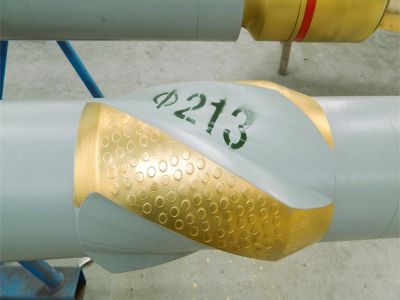
Understanding how motor power sections affect downhole drilling performance is crucial for operators in the oil and gas industry. The choice of motor power section can significantly impact drilling efficiency, operational costs, and overall project timelines. B2B buyers, such as purchasing managers and engineers, need to consider various factors when selecting the right motor for their specific applications. This article will explore the influence of motor power sections on drilling efficiency, how to choose the right one, associated performance and cost factors, essential specifications, and reliable sourcing options for wholesale orders
How Motor Power Sections Influence Downhole Drilling Efficiency
Motor power sections are integral components of downhole drilling tools, particularly in rotary steerable systems and mud motors. The motor's power section converts hydraulic energy from drilling fluid into mechanical energy, driving the drill bit. A well-designed power section can enhance drilling efficiency by optimizing torque and flow rates, leading to faster penetration rates and reduced non-productive time
Factors such as motor design, configuration, and materials used in the construction of the power section can directly affect drilling performance. For instance, motors with higher torque ratings can handle tougher geological formations, while those designed for higher flow rates may better suit applications requiring rapid drilling. Understanding these dynamics allows buyers to select the most effective motor for their specific drilling environment
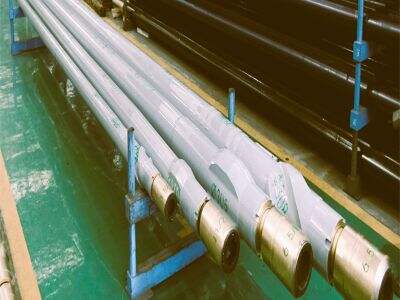
Choosing the Right Motor Power Section for Your Drilling Needs
Selecting the appropriate motor power section involves evaluating several critical factors tailored to your drilling requirements. First, consider the geological conditions you will encounter—hard rock formations may necessitate a motor with high torque capabilities, while softer formations might allow for a motor optimized for speed
Next, assess the drilling fluid characteristics, as different fluids exert varying pressure on the motor. Additionally, consider the overall drilling strategy, including whether you will be performing vertical, horizontal, or directional drilling. Each application may benefit from distinct motor designs to maximize performance and efficiency
Finally, consult with manufacturers like DeepFast Oil Drilling Tools, who can offer customized solutions based on extensive experience and expertise in the industry, ensuring that the selected motor aligns with project specifications
Performance and Cost Factors
When evaluating motor power sections, performance and cost considerations are paramount. High-performance motors typically come with a higher upfront cost but may lead to long-term savings through increased efficiency and reduced downtime. Conversely, lower-cost options may appear attractive initially but could lead to higher operational costs if they underperform or require frequent maintenance
Key performance metrics include torque output, flow rate, and overall durability. Buyers should analyze the total cost of ownership, which encompasses purchase price, maintenance costs, and potential savings from reduced drilling times. Understanding these factors allows buyers to make informed decisions that balance initial investment with long-term operational efficiency
Specifications to Consider When Selecting Motor Power Sections
Several critical specifications should be evaluated when selecting motor power sections
Torque Rating: This indicates the motor's ability to handle resistance while drilling. Higher torque ratings are essential for challenging formations
Flow Rate: Measured in gallons per minute (GPM), this determines how efficiently drilling fluid can be circulated through the motor. Higher flow rates can enhance cooling and cleaning but may require more energy
Power Rating: Expressed in horsepower (HP), this reflects the motor's capability to convert hydraulic energy into mechanical energy. Selecting a motor with appropriate power output is crucial for maintaining efficiency
Material Composition: The materials used in the construction of the motor can impact its durability and performance. Advanced materials can withstand harsh downhole conditions, extending the motor's lifespan
Size and Weight: These factors can affect the overall drilling setup, including rig compatibility and transportation logistics. Ensure that the selected motor fits within the operational constraints of the drilling rig
Confirming these specifications with the manufacturer is critical to ensure compatibility with your specific drilling requirements and conditions
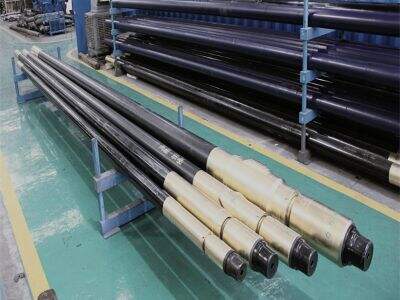
Where to Source Reliable Motor Power Sections for Wholesale Orders
Sourcing reliable motor power sections involves identifying manufacturers with a proven track record in the industry. Look for suppliers like DeepFast Oil Drilling Tools, which specialize in downhole tools and utilize advanced manufacturing technologies from Japan and Germany. Certifications such as API and ISO further enhance credibility, ensuring that products meet industry standards
When sourcing, consider the following
Customization Options: Some manufacturers offer tailored solutions that meet specific project requirements, providing an edge in performance
Minimum Order Quantities (MOQ): Understanding the MOQ can help you plan purchases effectively, especially for larger projects
Quality Assurance Processes: Inquire about the quality control measures in place during production to ensure consistent performance and reliability
Lead Times: Confirm lead times for orders, as this will impact your overall project timeline
Customer Support: A manufacturer that offers robust customer support can assist in troubleshooting and optimizing performance during operations
Evaluating these factors will ensure you have a reliable source for motor power sections that meet your operational needs and enhance drilling performance
By taking a methodical approach to understanding motor power sections and their impact on drilling performance, B2B buyers can make informed decisions that lead to more efficient and cost-effective drilling operations

