




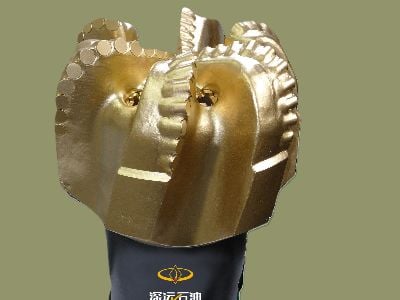
Understanding the working principle of a downhole drilling agitator is crucial for professionals in the oil and gas industry. This device enhances the efficiency of drilling operations by improving cuttings transport in the wellbore. As a B2B buyer, you may be concerned about the agitator's compatibility with your drilling equipment, its performance under various conditions, and the quality assurance measures in place. This article will provide a comprehensive overview of downhole drilling agitator, helping you make informed purchasing decisions.
Understanding the Working Principle of a Downhole Drilling Agitator
A downhole drilling agitator is designed to enhance drilling performance by facilitating better cuttings transport to the surface. It operates by creating turbulence in the drilling fluid, which helps to suspend and move the cuttings away from the drill bit. This turbulence is generated by the drill agitator rotor, which spins at high speeds, mixing the fluid effectively.
The primary function of the agitator is to minimize the risk of cuttings settling in the wellbore. When cuttings accumulate, they can lead to issues such as stuck pipe or drilling inefficiencies. The agitator's design typically includes multiple blades or vanes that optimize fluid movement, thereby ensuring consistent flow and reducing the likelihood of blockages.
How to Choose the Right Downhole Drilling Agitator for Your Needs
Selecting the appropriate downhole drilling agitator involves considering several factors tailored to your specific drilling requirements. First, assess the type of formations you will encounter. Different formations may require agitators with varying torque capacities and flow rates.
Next, evaluate the dimensions and specifications of the agitator. The diameter, length, and weight of the agitator must be compatible with your drilling assembly. It's also essential to consider the materials used in the agitator’s construction. High-quality materials that withstand harsh downhole conditions, such as corrosion and wear, are critical for long-term performance.
Customization options are another important aspect. Depending on your drilling conditions, you may need an agitator with specific configurations or performance characteristics. Discussing your exact requirements with the supplier can help ensure you select an agitator that meets your operational needs.
Quality and Performance Factors
Quality and performance are vital when it comes to downhole drilling agitators. Key performance indicators include the agitator's efficiency in fluid mixing, durability under pressure, and resistance to wear and corrosion.
Manufacturers should provide information on their quality control processes, including testing procedures for each agitator. For instance, API and ISO certifications can indicate adherence to industry standards. Look for details about the materials used, as high-grade alloys or composites can significantly enhance the mechanical agitator lifespan and reliability.
Buyers should also consider the agitator's operational parameters. This includes maximum operating temperature, pressure ratings, and flow capacity. Understanding these factors will help you determine if the agitator can handle your specific application efficiently.
Installation Guidance for Optimal Performance of Agitators
Proper installation is critical for maximizing the performance of downhole drilling agitators. Before installation, ensure that all components are clean and free from defects. It's advisable to inspect the agitator for any damage that may have occurred during shipping.
During installation, follow the manufacturer's guidelines regarding torque specifications and alignment. An improperly installed agitator may not function effectively, leading to inadequate cuttings transport and potential operational issues.
Additionally, consider conducting a pre-installation test to confirm that the agitator operates as expected. This could involve running the agitator in a controlled environment to verify fluid dynamics and performance metrics. Such tests can help identify any issues before the agitator is deployed in the field.
Common Problems with Downhole Drilling Agitators and Solutions
Downhole drilling agitators can encounter several common issues that may affect their performance. One prevalent problem is the accumulation of cuttings around the agitator, which can lead to reduced efficiency and increased wear. To mitigate this, it's essential to monitor the drilling fluid's properties regularly and adjust the formulation as needed to maintain optimal fluid flow.
Another issue may arise from improper installation, which can lead to excessive vibration or misalignment. Regular maintenance checks can help identify and rectify these problems early. Ensuring that all connections are secure and that the agitator is correctly aligned can prevent operational disruptions.
Finally, if you experience a decrease in performance, consider evaluating the agitator for signs of wear or damage. Replacing worn components promptly can help maintain drilling efficiency and avoid costly downtime.
Understanding the working principle of a downhole drilling agitator, along with the specific factors affecting its selection and performance, is essential for ensuring efficient and safe drilling operations. By considering the factors outlined, you can make informed decisions that align with your operational needs.

