




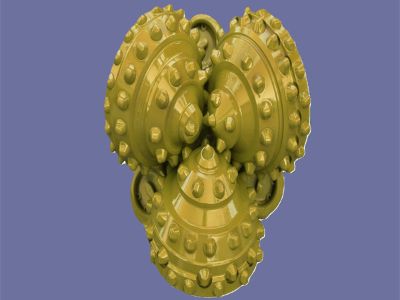
Tricone bits are essential tools in the oil and gas industry, designed to penetrate various geological formations during drilling operations. The specific design of Tricone bit teeth plays a crucial role in formation-specific drilling, impacting performance, lifespan, and overall drilling efficiency. For purchasing managers and engineers, understanding how to select the right Tricone bit tooth design can address concerns about cost-effectiveness, drilling effectiveness, and equipment compatibility. This article will guide you through the considerations for choosing Tricone bits, evaluating their specifications, and implementing best practices for efficient drilling operations
How to Choose Tricone Bits for Your Drilling Projects
Selecting the appropriate Tricone bit for your drilling project involves assessing several factors that impact performance and suitability. Start by considering the geological formations you will encounter. Softer formations may require bits with softer tooth materials, while harder formations necessitate more durable carbide or diamond-coated teeth
Next, evaluate the size and weight of the Tricone bit. The bit's diameter should match the requirements of your drilling assembly, and its weight must be compatible with your rig's capabilities. Additionally, consider the bit's design features, such as the number of cones and the arrangement of the teeth, as these influence the bit's ability to maintain stability and enhance penetration rates
Lastly, assess your drilling parameters, including the desired rate of penetration (ROP), weight on bit (WOB), and rotational speed. These parameters will help you determine the optimal tooth design that can handle the specific drilling conditions effectively
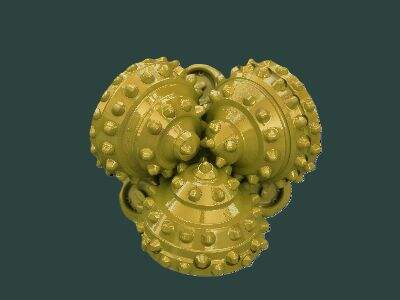
Key Specifications to Evaluate in Tricone Bit Tooth Designs
When examining Tricone bits tooth designs, several specifications are crucial to ensure optimal performance
Tooth Shape and Profile: The shape of the teeth—such as sharp, flat, or rounded—affects cutting efficiency. Sharp teeth are typically more effective for softer formations, while rounded teeth are better suited for harder, abrasive materials
Material Composition: The materials used for the teeth significantly impact durability and performance. Tungsten carbide teeth provide excellent wear resistance, while PDC (polycrystalline diamond compact) bits offer superior hardness and longevity for extreme conditions
Tooth Spacing: The spacing between teeth influences the bit's ability to clear cuttings from the hole. Closer spacings allow for finer cutting, which can enhance ROP but may lead to increased wear, while wider spacings can improve cutting removal in harder formations
Cone Configuration: The design of the cones (such as, single, double, or triple cone) affects the drilling dynamics. Triple cone designs typically provide a more balanced load distribution, improving stability and penetration
Blade Count: The number of blades on the bit can also affect drilling performance. More blades can lead to increased cutting efficiency but may also increase the risk of tooth wear
Understanding these specifications allows buyers to make informed decisions that align with their drilling objectives and site-specific requirements
What You Need to Know
Before initiating a purchase, it’s critical to gather all necessary information to facilitate a smooth transaction. Here are essential aspects to consider
Application Requirements: Clearly define the drilling application and the geological conditions you'll be facing. This will help in selecting a bit that is tailored to your needs
Customization Options: Many manufacturers, including DeepFast Oil Drilling Tools, offer customization options for Tricone bits. Discuss your specific requirements with the supplier to explore features like tooth design, material, and bit size
Quality Certifications: Ensure that the Tricone bits are certified, such as by API and ISO standards. This certification indicates adherence to quality and safety standards, which is crucial for operational reliability
Lead Times and Pricing: Inquire about lead times for production and delivery, as well as pricing structures based on order quantities. Understanding these factors can help you manage project timelines and budgets effectively
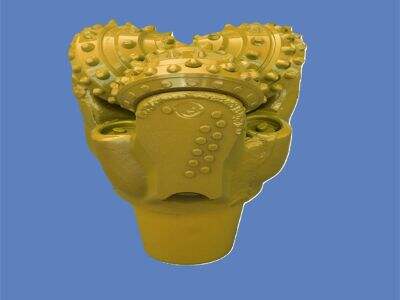
Solutions with Tricone Bit Designs
Tricone bits are versatile, offering solutions for various drilling needs. Here are a few common applications
Oil and Gas Exploration: Tricone bits are widely used in oil and gas drilling, particularly in formations that vary in hardness and abrasiveness. Their ability to adapt to different geological conditions makes them a preferred choice
Water Well Drilling: In water well applications, the right tooth design can enhance drilling efficiency while minimizing environmental impact. Selecting bits specifically designed for soft to medium formations can optimize performance
Geotechnical Drilling: For geotechnical investigations, Tricone bits can provide valuable insights into subsurface conditions. Their capability to penetrate various materials enables accurate sampling and data collection
When selecting a Tricone bit for specific applications, consider the unique challenges and requirements of each project to ensure the best possible outcomes
Best Practices for Efficiency
To maximize the efficiency of your Tricone bit drilling operations, consider the following best practices
Regular Maintenance: Perform routine inspections on your Tricone bits to check for wear and damage. Addressing issues early can prevent costly downtime and ensure consistent performance
Optimal Operating Parameters: Adjust the weight on bit and rotary speed according to the formation being drilled. Incorrect parameters can lead to excessive wear or ineffective cutting
Monitoring Performance: Keep track of key performance indicators such as ROP and bit life. This data can help in assessing the effectiveness of your chosen bit and inform future purchasing decisions
Training for Operators: Ensure that drill operators are well-trained in the use of Tricone bits and understand the impact of their operational decisions on performance. Knowledgeable operators can significantly enhance drilling efficiency and safety
By implementing these best practices, you can improve the overall effectiveness of your drilling operations and extend the life of your Tricone bits

