




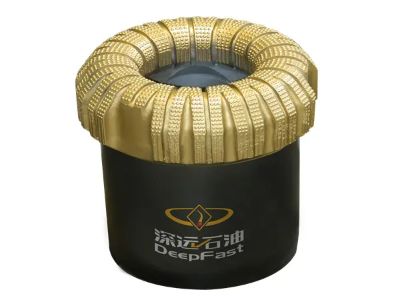
Choosing the right core bit design for geological and exploration drilling is critical for achieving optimal results in the oil and gas industry. Core bits are essential tools that facilitate the extraction of geological samples, providing vital information for assessing mineral deposits and environmental conditions. B2B buyers, including purchasing managers and engineers, often have concerns about performance, compatibility, and the specific requirements of their drilling projects. This article will delve into the key factors in selecting 110mm core drill designs, their performance characteristics, installation guidance, common issues, and diverse applications in geological and exploration drilling.
Choosing the Right Core Bit Design for Geological Drilling Needs
Selecting the right core bit design begins with understanding the specific geological conditions and drilling objectives. Core bits come in various shapes, sizes, and materials, each tailored for different applications. For instance, a PDC (Polycrystalline Diamond Compact) bit is suitable for hard rock formations, while a diamond core bit is ideal for softer geological strata.
When assessing core bit designs, consider factors such as the rock type, required penetration rate, and expected core recovery. Collaborating with a manufacturer like DeepFast Oil Drilling Tools can help buyers gain insights into the best configurations for their unique drilling environments, ensuring the chosen bit maximizes efficiency and safety.
What to Look for in Performance
Performance indicators are crucial when evaluating core bits. Key specifications include:
Material Composition: The choice of materials affects durability and cutting efficiency. PDC bits, for example, offer high wear resistance and thermal stability, making them suitable for challenging conditions.
Bit Diameter and Length: These dimensions influence core sample size and drilling speed. Ensure the bit size aligns with the requirements of the drilling project.
Cooling and Cleaning Systems: Adequate cooling mechanisms are essential to prevent overheating and maintain cutting efficiency. A design featuring internal cooling channels may significantly enhance performance.
Weight and Pressure Ratings: Understanding the bit's weight and the maximum pressure it can handle is vital for compatibility with drilling rigs and to ensure safe operation.
Buyers should also consider how these performance indicators relate to their operational goals and environmental conditions to determine which specifications best suit their needs.
Installation Guidance for Core Bits in Geological Drilling Projects
Proper installation of core bits is crucial for ensuring effective performance during drilling operations. Here are essential steps to follow:
Compatibility Check: Before installation, verify that the core bit is compatible with the drilling equipment. This includes checking the connection type and dimensions.
Pre-Installation Inspection: Inspect the core bit for any manufacturing defects or damage. Any issues should be addressed before use to avoid complications during drilling.
Torque Settings: Utilize the appropriate torque settings as specified by the manufacturer during installation. Incorrect torque can lead to bit failure or inefficient drilling.
Monitoring During Operation: Continuously monitor the drilling process for any signs of malfunction, such as excessive vibration or noise. This can help identify potential issues early, allowing for timely adjustments.
By following these installation guidelines, buyers can help ensure that core bits operate effectively, providing reliable data collection throughout the drilling process.
Common Problems with Core Bits and Effective Solutions
Core bits can encounter several problems during use, which can hinder drilling efficiency and data accuracy. Common issues include:
Bit Wear and Failure: Excessive wear can occur due to hard rock formations or improper bit selection. To mitigate this, regularly assess bit performance and consider using more durable materials for challenging environments.
Core Loss: This occurs when the core sample breaks or crumbles during extraction. Ensuring the correct bit design and maintaining optimal drilling parameters can help minimize core loss, enhancing data integrity.
Overheating: Insufficient cooling can lead to overheating, damaging both the bit and the geological samples. Ensuring proper cooling systems and monitoring temperatures can prevent this issue.
Jamming: Jamming can happen due to debris accumulation or improper bit alignment. Regularly check for blockages and ensure proper alignment during installation.
By recognizing these common problems and implementing effective solutions, buyers can enhance the reliability and performance of their drilling projects.
Applications of Core Bit Designs in Geological and Exploration Drilling
Core bit designs are versatile and find applications across various sectors within geological and exploration drilling. Some key applications include:
Mineral Exploration: Core bits are essential for extracting samples in mineral exploration, providing critical data for assessing potential mining sites.
Geotechnical Investigations: Engineers often use core bits to gather soil and rock samples for evaluating ground conditions, which is vital for construction and infrastructure projects.
Environmental Studies: Core samples help in studying contamination levels and geological formations, aiding environmental assessments and compliance with regulatory standards.
Energy Resource Evaluation: In the oil and gas industry, core bits play a crucial role in assessing reserves, guiding drilling decisions, and facilitating safe extraction processes.
DeepFast Oil Drilling Tools leverages advanced manufacturing capabilities to create core bits tailored for these diverse applications, ensuring that clients receive reliable, high-quality products that meet their specific drilling needs.
By understanding the various aspects of 5 inch core drill bit design, performance considerations, installation guidance, common problems, and applications, B2B buyers can make informed decisions that enhance the efficiency and safety of their geological and exploration drilling projects.

