




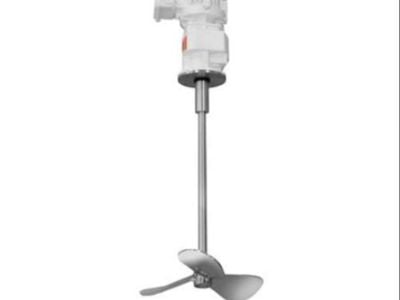
Downhole agitators play a crucial role in the performance of extended-reach wells by enhancing fluid movement and improving the efficiency of drilling operations. As a purchasing manager or engineer in the oil and gas industry, understanding the applications and specifications of downhole agitators is essential to ensure optimal performance and cost-effectiveness in your projects. This article will provide insights into what to consider when sourcing downhole agitators, key specifications for extended-reach applications, and how to choose the right agitator for your unique project needs
What to Consider When Sourcing Downhole Agitators for Wells
When sourcing downhole agitators, it’s important to evaluate several key factors to achieve optimal performance in extended-reach wells. First, consider the specific application environment. Extended-reach wells present unique challenges due to their length and the potential for fluid stagnation. Therefore, the agitator's design should facilitate efficient mixing and circulation of drilling fluids to maintain wellbore stability and enhance cuttings transport
Next, assess the manufacturer's experience and reputation in the industry. Companies like DeepFast Oil Drilling Tools, known for their advanced manufacturing capabilities and strong certifications (API and ISO), offer reliable solutions for demanding drilling environments. Look for suppliers with proven expertise in producing downhole tools specifically for the oil and gas sector
Lastly, consider customization capabilities. Not all wells are the same, and your project may require a specific agitator design or material choice to handle unique geological conditions or fluid properties. Ensuring the supplier can accommodate your specific requirements will significantly enhance the efficiency and safety of your drilling operations
Key Specifications for Downhole Agitators in Extended-Reach Applications
Selecting the right downhole agitator involves understanding several key specifications that affect performance. These include
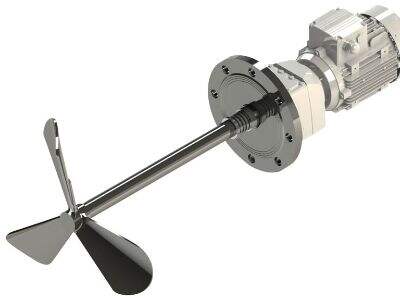
Size and Dimensions: The agitator's dimensions should be compatible with the wellbore size and design. Common configurations include different diameters and lengths to suit various drilling depths and fluid volumes. Ensure the dimensions match your operational requirements to avoid complications during installation
Material Composition: The material used in the agitator’s construction must withstand harsh downhole conditions, including high pressures and corrosive fluids. Common materials include high-strength steel or specialized alloys designed for durability and resistance to wear
Performance Ratings: Evaluate the agitator’s performance ratings, including its maximum operational temperature and pressure. These ratings should align with the expected conditions of your extended-reach well. If the agitator cannot withstand the operational environment, it may lead to failure and costly downtime
Agitation Mechanism: The design of the agitation mechanism is critical for effective fluid movement. Consider whether the agitator employs mechanical or hydraulic means to enhance circulation and mixing. The choice will depend on the specific needs of your drilling operations
Understanding these specifications will enable you to select a downhole agitator that meets your operational requirements and ensures efficient drilling performance
How to Choose the Right Downhole Agitator for Your Project Needs
Choosing the right downhole agitator involves a careful assessment of your project’s specific needs. Start by conducting a thorough analysis of your well's characteristics, including depth, geological conditions, and fluid properties. This data will inform the selection process and help you identify the suitable agitator configuration
Next, collaborate with manufacturers or suppliers to discuss your requirements. For instance, if you expect high viscosity in your drilling fluid, you may need an agitator designed to handle such conditions effectively. Moreover, during discussions, inquire about any customization options that could enhance the agitator’s performance in your specific application
Finally, request samples or prototypes if possible. Testing a sample under actual operating conditions will provide insights into the agitator’s performance and its compatibility with your drilling systems. This step is crucial as it helps identify any potential issues before mass production, ensuring you choose the right agitator for your project
Cost Factors to Consider for Bulk Orders of Downhole Agitators
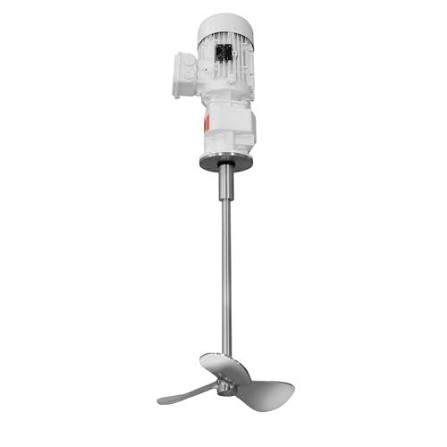
When planning for bulk orders of downhole agitators, several cost factors should be considered to ensure budget adherence while obtaining quality products
Unit Price: The base cost of each agitator will vary based on material, design, and the manufacturer’s pricing structure. Request price quotes from multiple suppliers to compare costs effectively
Customization Costs: If your project requires specific modifications or custom designs, factor in these additional expenses. Customization may include unique dimensions, materials, or features tailored to your operational needs
Shipping and Handling: Depending on your location, shipping costs can significantly impact the total price. Consider logistics and potential import duties if sourcing from international suppliers
Minimum Order Quantity (MOQ): Many manufacturers set a minimum order quantity that can affect your overall costs. Ensure that the MOQ aligns with your project requirements and budget
Quality Assurance Expenses: Investing in quality assurance and inspection services is crucial, especially for bulk orders. Consider any costs associated with testing and verifying the performance of the agitators before final acceptance
By comprehensively evaluating these cost factors, you can make informed decisions that balance quality and budget constraints in your purchasing strategy
Where to Find Reliable Suppliers for Downhole Agitators
Finding reliable suppliers for downhole drill agitators is essential for ensuring quality and performance in your drilling operations. Start by researching manufacturers with a strong reputation in the oil and gas sector, such as DeepFast Oil Drilling Tools, which specializes in producing high-quality downhole tools
Industry trade shows and exhibitions are excellent venues for discovering potential suppliers. These events allow you to engage directly with manufacturers, inspect product offerings, and discuss specific project needs. Networking with industry peers can also provide recommendations for reputable suppliers known for their reliability and product quality
Additionally, online platforms and industry directories can be valuable resources for identifying suppliers. Look for those that provide detailed product specifications, certifications, and customer testimonials. Always verify the manufacturer’s credentials and ensure they comply with industry standards, such as API and ISO certifications
Finally, consider establishing a relationship with suppliers who offer excellent customer support and are willing to collaborate on customization and technical requirements. A reliable supplier can significantly impact your project's success by providing quality products and responsive service
Table of Contents
- What to Consider When Sourcing Downhole Agitators for Wells
- Key Specifications for Downhole Agitators in Extended-Reach Applications
- How to Choose the Right Downhole Agitator for Your Project Needs
- Cost Factors to Consider for Bulk Orders of Downhole Agitators
- Where to Find Reliable Suppliers for Downhole Agitators

