




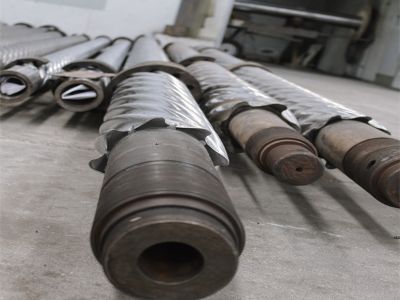
Understanding how mud motors work in directional drilling operations is crucial for professionals in the oil and gas sector. Mud motors are a type of downhole tool that provide the necessary power to drill effectively in complex geological formations. For purchasing managers, engineers, and product managers, key concerns revolve around selecting the right motor, ensuring quality performance, and understanding specifications. This article will guide you through the essential aspects of mud motor, helping you make informed decisions for your drilling projects.
Choosing the Right Mud Motor for Your Drilling Project Needs
Selecting the appropriate mud motor is fundamental to the success of any directional drilling project. The first step is to assess the specific requirements of your operation, such as the type of formation, the desired angle of deviation, and the depth of drilling. Mud motors come in various configurations, including positive displacement motors (PDM) and turbine motors. Each type has its advantages depending on the application.
For instance, PDMs are commonly used for their ability to provide consistent torque and maintain speed, which is beneficial in hard rock formations. On the other hand, turbine motors may be preferable for softer formations due to their high-speed capability. Considerations such as the required flow rate, the mud type, and the anticipated drilling conditions will also influence your choice. Collaborating with a manufacturer that specializes in custom solutions, like DeepFast Oil Drilling Tools, can ensure that you select a motor tailored to your specific needs.
Key Specifications to Consider When Sourcing Mud Motors
When sourcing mud motors, several key specifications should be taken into account to ensure optimal performance:
Torque and Speed Ratings: These ratings indicate the motor's capability to handle different drilling conditions. Higher torque is necessary for tougher formations, while speed is crucial for efficiency.
Diameter and Length: The motor's dimensions should be compatible with the drill string and the borehole size. Ensure that the motor can fit through the specific casing or open hole diameter.
Pressure Ratings: Mud motors must withstand the pressure exerted by the drilling fluid. Confirm that the motor’s pressure rating aligns with the operational requirements.
Seal and Bearing Types: The quality of seals and bearings affects durability and maintenance. High-quality materials can reduce wear and extend the motor's lifespan.
Customization Options: Depending on the complexity of your drilling project, you may need motors with specific features. Discuss customization options with your supplier to ensure all specifications meet your operational needs.
By evaluating these specifications, you can ensure that the biggest mud motor you choose will perform reliably under expected conditions, thus minimizing downtime and maximizing efficiency.
Evaluating the Quality of Mud Motors for Reliable Performance
Quality is paramount when it comes to mud motors, as subpar products can lead to operational failures and costly delays. To evaluate quality, consider the following factors:
Manufacturing Standards: Ensure that the manufacturer adheres to industry standards, such as API and ISO certifications. These certifications indicate that the product meets rigorous quality and safety requirements.
Material Selection: High-grade materials are essential for durability. Motors should be constructed from materials that can withstand the harsh conditions of downhole operations, including temperature extremes and corrosive environments.
Performance Testing: Request information on the testing protocols used by the manufacturer. Products should undergo rigorous testing to assess performance under simulated operational conditions.
Warranty and Support: A robust warranty and responsive customer support indicate the manufacturer’s confidence in their products. It also ensures that you have recourse in case of performance issues.
Customer Feedback: Look for reviews and testimonials from other buyers. Real-world performance feedback can provide insights into the reliability and effectiveness of the new mud motors.
By focusing on these quality indicators, you can mitigate risks associated with poor performance and ensure that your drilling operations run smoothly.
Where to Wholesale Mud Motors for Optimal Cost Savings?
Finding the right supplier for wholesale mud motors can lead to significant cost savings. Here are some considerations when sourcing your motors:
Direct Manufacturers: Purchasing directly from manufacturers, such as DeepFast Oil Drilling Tools, can often yield better prices compared to intermediaries. This approach also allows for more straightforward communication regarding specifications and customization.
Bulk Order Discounts: Many suppliers offer discounts for bulk purchases. If you have ongoing projects, consolidating your orders can help reduce costs.
Shipping and Logistics: Evaluate the supplier’s shipping options and costs. A supplier with optimized logistics can save you both time and money. Ensure they can meet your delivery timelines without compromising on quality.
Local vs. International Suppliers: While international suppliers may offer lower prices, local suppliers can provide faster shipping and easier communication. Consider your project timelines and the total cost of ownership when deciding.
Partnership Opportunities: Establishing long-term relationships with suppliers can lead to additional savings and benefits. Discuss potential partnerships that might offer exclusive rates or terms.
By strategically sourcing your mud motors, you can achieve optimal cost savings while maintaining quality and performance.
Installation Guidelines for Mud Motors in Directional Drilling
Proper installation of mud motors is critical to ensure their effective operation in directional drilling. Here are some essential guidelines to follow:
Pre-Installation Inspection: Before installation, inspect the mud motor for any visible defects or damage. Check seals and connections to ensure they are intact and functioning.
Correct Orientation: Ensure the mud motor is installed in the correct orientation as specified by the manufacturer. Misalignment can lead to inefficient drilling and potential damage to the equipment.
Fluid Compatibility: Use the appropriate drilling fluid as specified for the motor. The viscosity and density of the mud can affect the motor's performance and lifespan.
Torque Specifications: Follow the manufacturer’s torque specifications when connecting the motor to the drill string. Over-tightening can cause damage, while under-tightening can lead to leaks.
Regular Maintenance Checks: Implement a maintenance schedule to regularly check the motor’s performance during drilling operations. Early detection of issues can prevent costly repairs and downtime.
By adhering to these installation guidelines, you can ensure that your mud motor operates effectively, contributing to the overall success of your directional drilling projects.

