




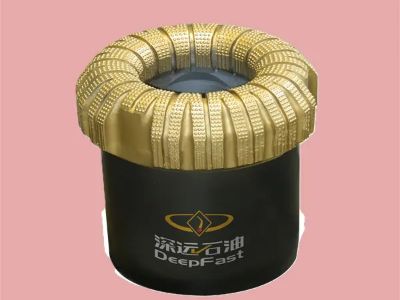
The role of PDC bits in directional drilling is critical for optimizing drilling efficiency and performance in the oil and gas industry. As a purchasing manager or distributor, understanding the intricacies of PDC (Polycrystalline Diamond Compact) bits is essential for making informed decisions. This article will address key factors that can influence your purchasing decisions, including quality considerations, common challenges, cost factors, appropriate applications, and essential features for distributors
Quality Factors for Wholesale Buyers
When sourcing PDC bits, quality should be your top priority. A few key quality factors to consider include
Material Composition: PDC bits are typically made from a combination of tungsten carbide and synthetic diamond, allowing for superior toughness and wear resistance. Assessing the quality of these materials is crucial, as inferior materials can lead to early wear and increased operational costs
Manufacturing Process: The production methods employed, such as the precision of machining and the techniques used to bond the diamonds to the substrate, directly affect the performance and longevity of the bits. Ensure that the manufacturer adheres to industry standards, such as API and ISO certifications, which signify quality assurance and compliance with safety protocols
Quality Control: A robust quality control process is essential for consistency in product performance. This includes rigorous testing of each batch of PDC bits to ensure they meet specified tolerances and performance criteria. Buyers should inquire about the manufacturer's quality control measures and request documentation to ensure compliance
Customization Capabilities: Different drilling environments may require specific configurations or features. Working with a manufacturer that offers customizable solutions can significantly enhance drilling efficiency. Discuss your specific requirements and verify if the supplier can meet them
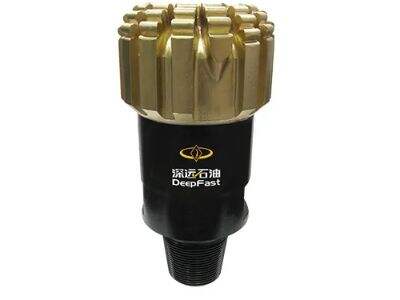
Common Problems in Directional Drilling and PDC Bit Solutions
Directional drilling poses unique challenges, such as maintaining wellbore stability and ensuring precise steering. Common problems include
Bit Wear and Failure: PDC bits can experience rapid wear in abrasive formations, leading to decreased efficiency. Choosing bits with advanced wear-resistant coatings and optimized designs can mitigate this issue
Inadequate Steering Control: Poor directional control can result from using the wrong bit design. It is critical to select PDC bits that are designed for specific formations and drilling angles to enhance Steerability and maintain trajectory
Hydraulic Issues: Inefficient fluid circulation can lead to cooling problems and bit damage. Ensure that the selected PDC bits are compatible with your drilling fluid system to maintain optimal performance
Formation Interaction: Different geological formations require different bit characteristics. A one-size-fits-all approach may lead to suboptimal performance. Collaborate with your supplier to identify bits that cater to the specific conditions of your drilling project
Cost Considerations When Purchasing PDC Bits in Bulk
Understanding the cost implications of purchasing PDC bits in bulk is essential for budget management. Key factors influencing costs include
Material Costs: The quality of the materials used in PDC bits significantly impacts pricing. Higher-quality materials may lead to higher upfront costs but can result in lower total operational costs due to increased durability and performance
Order Quantity: Most manufacturers offer discounts for bulk orders. However, be cautious of minimum order quantities (MOQs) that could lead to excess inventory. Negotiate terms that align with your operational needs
Customization Costs: If you require customized bits, be prepared for additional costs. Discuss customization options with the manufacturer to understand how these may affect your budget
Shipping and Handling: Consider the logistics of transporting bulk orders, including shipping costs and potential delays. Confirm packaging methods and lead times with your supplier to avoid unexpected expenses
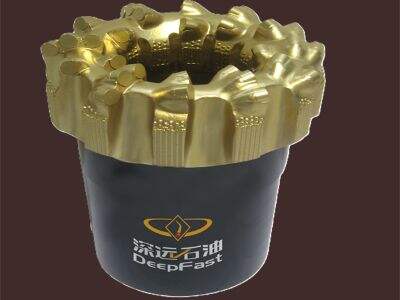
When to Use PDC Bits in Drilling Projects
PDC bits are suitable for a variety of drilling applications, but their effectiveness depends on the specific project conditions. Here are scenarios where PDC bits excel:
Soft to Medium Formations: PDC bits are ideal for drilling through softer rock formations or consolidated sandstone where their cutting efficiency can be fully utilized
Directional and Horizontal Drilling: Their design allows for better steering and control, making them a preferred choice for directional and horizontal drilling applications
High-Risk Environments: In challenging conditions, such as high temperatures or corrosive environments, selecting PDC bits with specialized coatings can enhance performance and longevity
Extensive Drilling Projects: For projects requiring extensive drilling, PDC bits can minimize downtime due to their durability, thereby increasing overall productivity
Features That Matter for Distributors
For distributors, understanding the key features of PDC bits can help provide informed options to end-users. Essential features to highlight include
Bit Design: The configuration of the cutters and the body design affects the drilling performance. Distributors should be familiar with various designs and their specific applications
Size and Diameter Options: Offering a range of sizes ensures that distributors can cater to different drilling requirements, from small-scale projects to large industrial applications
Performance Metrics: Familiarize yourself with performance metrics, such as rate of penetration (ROP) and durability, to provide accurate recommendations to clients
After-Sales Support: Establishing a relationship with manufacturers who offer robust after-sales support can enhance customer satisfaction and loyalty. Ensure that your suppliers are responsive to inquiries and can provide technical assistance when needed
By considering these factors, wholesale buyers can make informed decisions about PDC bits, optimizing their drilling operations while ensuring cost-effectiveness and reliability

