




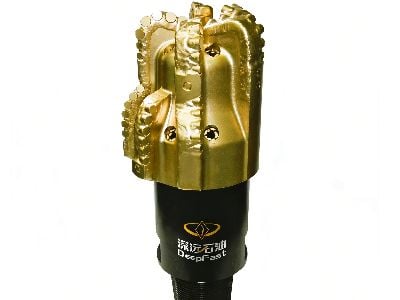
PDC cutter technology for hard rock drilling is essential for achieving efficient and effective drilling operations in the oil and gas industry. As B2B buyers, particularly purchasing managers and engineers, you are likely focused on understanding the key specifications, quality evaluation methods, sourcing strategies, cost considerations, and performance benefits associated with PDC cutters. This article aims to provide you with practical insights into these areas, enabling you to make informed purchasing decisions.
Key Specifications of PDC Cutters for Efficient Drilling Solutions
PDC (Polycrystalline Diamond Compact) cutters are pivotal in hard rock drilling, particularly for oil and gas extraction. The key specifications that define the performance of PDC cutters include:
Material Composition: PDC cutters are usually made from a blend of diamond crystals and a metallic binder. The choice of binder can significantly influence the cutter's wear resistance and thermal stability. Selecting the right binder material is essential for matching the cutter's performance to specific geological conditions.
Diameter and Thickness: The diameter of the 12 1/4 PDC bit cutter affects its cutting area and penetration rate. Thicker cutters generally provide better durability under high-impact conditions but may reduce the rate of penetration. Buyers should consider the balance between thickness and operational efficiency based on their drilling requirements.
Cutting Edge Geometry: The shape and angle of the cutting edges directly impact the cutter’s performance in various rock formations. A sharper angle may enhance penetration in softer materials, while a more robust design may be necessary for harder rock.
Understanding these specifications can help you assess which PDC cutter will best suit your drilling objectives and geological challenges.
How to Evaluate the Quality of PDC Cutters for Your Projects?
When evaluating the quality of PDC cutters, buyers should focus on several critical factors:
Certifications: Ensure that the cutters are certified by reputable organizations such as API and ISO. These certifications indicate adherence to industry standards for safety and performance.
Manufacturing Processes: Inquire about the production methods used to create the PDC cutters. Advanced manufacturing techniques involving precision machining and rigorous quality control processes can enhance product reliability.
Performance Testing: Quality 16mmPDC cutter cutters should undergo performance testing that simulates real-world drilling conditions. Ask suppliers about any documented results from performance tests, including penetration rates and wear resistance metrics.
Patents and Innovations: Manufacturers with patents (such as DeepFast Oil Drilling Tools, which holds 50 patents) often indicate a commitment to innovation and continual improvement. This can be a sign of a supplier who invests in the development of superior products.
By focusing on these aspects, you can better determine the quality of the PDC cutters you are considering for your projects.
Sourcing PDC Cutters for Bulk Orders
Sourcing PDC cutters for bulk orders requires careful consideration of several factors to ensure efficiency and reliability:
Minimum Order Quantity (MOQ): Understand the MOQ from potential suppliers. This will affect your ability to manage inventory and costs. Suppliers like DeepFast may offer flexibility in MOQs based on your specific needs.
Lead Times: Confirm the lead times associated with bulk orders. Factors such as the complexity of customization, current production capacity, and shipping logistics can influence delivery schedules.
Customization Capabilities: Depending on your drilling application, you may require customized PDC cutters. Discuss available options for customization with your supplier, including dimensions and material specifications. A reliable supplier should accommodate specific requirements to meet your operational needs.
Shipping and Logistics: Evaluate shipping options and costs associated with bulk orders. Consideration of shipping methods can impact lead times and overall costs, especially for international orders.
By addressing these sourcing factors, you can streamline the procurement process for PDC cutters and ensure you receive the right products for your drilling operations.
Cost Factors to Consider for Wholesale PDC Cutter Purchases
Understanding the cost structure associated with wholesale PDC cutter purchases is crucial for effective budgeting and financial planning:
Material Costs: The cost of raw materials, particularly diamond and metallic binders, can vary based on market demand and supplier relationships. Ask your suppliers about how they source materials and any potential fluctuations in pricing.
Manufacturing Complexity: More complex 215.9mm PDC bit cutter designs may require additional machining or processing, which can increase production costs. Evaluate whether the benefits of specialized designs justify the additional expenses.
Volume Discounts: Many suppliers offer tiered pricing structures based on order volume. Discuss potential volume discounts with your supplier to lower the cost per unit for larger orders.
Quality Assurance Costs: Suppliers that implement rigorous quality control processes may charge higher prices due to the added assurance of product reliability. Consider the long-term savings associated with fewer failures or replacements when evaluating costs.
By considering these cost factors, you can make more informed decisions regarding your PDC cutter purchases and optimize your budget for drilling operations.
Performance and Material Benefits
PDC cutters offer several performance and material benefits that enhance drilling efficiency:
Enhanced Wear Resistance: The use of polycrystalline diamond provides exceptional wear resistance, allowing PDC cutters to maintain their cutting edges over extended periods. This durability translates to longer operational life and reduced downtime for replacement.
Improved Penetration Rates: The cutting efficiency of PDC technology enables faster penetration rates compared to traditional drilling methods. This directly affects project timelines and operational costs, making PDC cutters a preferred choice for many drilling applications.
Versatility in Rock Formations: PDC cutters are effective across a range of geological conditions, from soft to hard rock. Their adaptability allows drilling teams to use a single type of cutter in multiple environments, simplifying inventory management and reducing costs.
Customization for Specific Applications: Depending on the drilling environment, PDC cutters can be customized in terms of size, shape, and material composition. This flexibility allows for optimized performance tailored to specific project requirements.
Understanding these performance and material benefits will enable you to leverage PDC cutter technology effectively in your drilling operations, leading to enhanced productivity and cost savings.

