




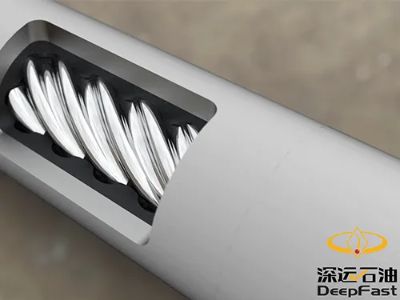
Understanding mud motor performance in high-temperature wells is crucial for ensuring effective drilling operations in the oil and gas industry. High-temperature environments can significantly impact the reliability and functionality of mud motors, which are essential for delivering drilling fluid to the wellbore. This article will address key concerns for purchasing managers and engineers, including how to choose the right mud motor, its performance in extreme conditions, common issues encountered, and installation guidance. By the end, readers will have a clearer understanding of what to consider when sourcing mud motors for high-temperature applications.
Choosing the Right Mud Motor for High-Temperature Well Applications
Selecting the appropriate mud motor for high-temperature wells begins with understanding the specific requirements of the drilling operation. Key factors include the maximum operating temperature, the torque and flow rate necessary for efficient drilling, and the mud type being used. A mud motor's design should be capable of withstanding high thermal stresses, often necessitating special materials and configurations. For example, motors constructed from high-grade alloys or those with advanced sealing technologies can perform better under extreme heat. Additionally, buyers should consider the motor's power section, as this directly impacts performance; a higher horsepower may be required to maintain efficiency in challenging environments. When requesting a quotation, it's essential to provide detailed specifications, including the expected temperature range, fluid properties, and operational depth. This information helps manufacturers recommend the most suitable mud motor for your specific application.
Performance in High-Temperature Conditions
Mud motors must maintain optimal performance even in high-temperature conditions, which can exceed 300°F (150°C). High-temperature environments can influence not only the motor's efficiency but also its longevity. Specific design features, such as high-temperature elastomers and specialized rotor and stator materials, play a critical role in ensuring performance stability. For instance, these components should be resistant to thermal degradation and exhibit low wear rates at elevated temperatures. Additionally, performance can be affected by the viscosity of the drilling fluids used. High temperatures can lead to changes in fluid properties, potentially resulting in reduced flow rates or increased torque requirements. Therefore, it’s crucial to monitor the mud properties and adjust the formulation as necessary to maintain optimal drilling conditions.
Reliable Suppliers of High-Temperature Mud Motors
Finding a dependable supplier for high-temperature mud motors involves evaluating their manufacturing capabilities and product certifications. Companies like DeepFast Oil Drilling Tools, which utilize advanced Japanese and German equipment, can offer products that meet stringent API and ISO standards.
Buyers should look for suppliers that have a proven track record in producing high-temperature biggest mud motor, including an extensive portfolio of successful projects and satisfied clients in similar applications. Additionally, inquire about their customization capabilities, as tailored solutions may be necessary for specific drilling challenges. A robust quality control process is also essential. Ensure that the supplier conducts thorough testing under high-temperature conditions to verify performance claims. Checking references and customer feedback can provide insight into the reliability and performance of the motors in real-world applications.
Common Problems with Mud Motors in High-Temperature Wells
Despite advancements in technology, mud motors still face challenges in high-temperature applications. Common issues include premature wear of components, thermal expansion causing misalignment, and reduced efficiency due to fluid degradation. One significant problem is the failure of elastomers in high-heat environments, which can lead to leaks and reduced sealing effectiveness. Buyers should ensure that the selected motor has components rated for the specific temperature range of their application. Additionally, monitoring the directional drilling mud motor performance regularly is critical. Signs of overheating, such as increased vibration or unexpected fluctuations in torque, may indicate that the motor is not performing as expected. Implementing proactive maintenance strategies can help identify issues early and mitigate costly downtime.
Installation Guidance for High-Temperature Mud Motors in the Field
Proper installation of high-temperature mud motors is vital to ensure optimal performance and longevity. Before installation, it is essential to review the manufacturer's guidelines and specifications meticulously. Key installation considerations include ensuring that all components are compatible and that proper torque settings are applied to prevent loosening under high operational stresses. Additionally, the alignment of the motor with the drill string is crucial; misalignment can lead to uneven wear and increased failure risk. During installation, the use of appropriate lubricants designed for high-temperature applications can also enhance performance. After installation, conducting a thorough inspection and testing the motor under controlled conditions can verify that it is functioning correctly before full-scale operation. In summary, understanding downhole mud motor performance in high-temperature wells is essential for optimizing drilling operations. By selecting the right motor, monitoring performance, and ensuring proper installation, buyers can enhance the reliability and efficiency of their drilling activities.

