




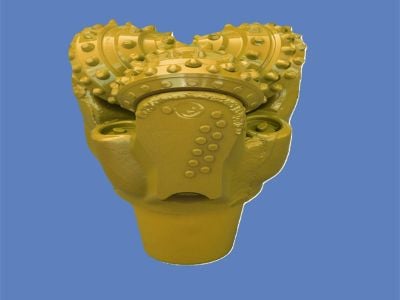
Understanding what determines Tricone bit performance downhole is crucial for purchasing managers and engineers in the oil and gas industry. Tricone bits are vital tools in drilling operations, and their effectiveness directly impacts project efficiency and cost. Buyers often grapple with concerns regarding durability, application suitability, and material specifications. This article will explore the key factors influencing Tricone bit performance, provide guidance on selecting the right bit for specific projects, and outline essential specifications to consider during the purchasing process
What Factors Influence Tricone Bit Performance in Downhole Operations
Several factors influence Tricone bit performance during downhole operations. The bit's design, including the number of cones and the shape of the teeth, plays a significant role in its cutting efficiency. For instance, a Tricone bit with a sharper tooth design can penetrate formations more effectively, reducing overall drilling time
Another critical factor is the weight on bit (WOB). Properly managing WOB allows for optimal penetration rates without causing excessive wear or damage to the bit. Additionally, the rotary speed affects the bit's performance; too high a speed can lead to overheating and premature failure, while too low a speed may result in ineffective cutting action
The type of formation being drilled also impacts performance. Softer formations may require different bit configurations than harder, abrasive rock types. Understanding the geological conditions can help in selecting the appropriate diamond point Tricone bit design to ensure maximum performance and longevity
How to Choose the Right Tricone Bit for Your Drilling Project
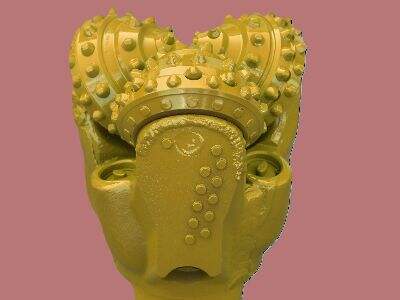
Selecting the right Tricone bit is essential for optimizing drilling performance and minimizing costs. First, assess the specific geological conditions of your drilling site. Different formations, such as shale, sandstone, or limestone, may require different bit designs or tooth configurations to maximize efficiency
Next, consider the bit material. Most Tricone bits are made from steel or tungsten carbide. Steel bits are generally more durable and suitable for softer formations, while tungsten carbide bits offer superior performance in abrasive conditions. The choice of material will influence both the initial cost and the bit’s lifespan, so aligning this with your project's specific needs is critical
Also, evaluate the bit's size and gauge. The diameter of the bit should match the hole size required for your drilling project, while the gauge, or the size of the bit’s outer surface, affects the stability of the hole and the removal of cuttings. Ensure that the selected Tricone bit meets all the specifications necessary for your drilling environment
Key Specifications to Evaluate Tricone Bit Quality and Performance
When assessing Tricone bits, buyers should focus on several key specifications that directly affect quality and performance
Bit Diameter: Ensure the diameter aligns with the intended hole size. A mismatch can lead to inefficient drilling and increased costs
Tooth Design: Evaluate the tooth shape and configuration based on the formation type. Features such as the number of teeth and their arrangement can significantly influence cutting efficiency
Material Composition: The materials used in the bit’s construction, particularly in the teeth, should be appropriate for the expected wear and tear. Tungsten carbide tips provide increased durability for abrasive environments
Bearing Type: Tricone bits may feature either journal or roller bearings. The bearing type affects the bit's performance at high speeds and with varying loads, so it should match the operational requirements
API and ISO Certifications: Certified products typically adhere to industry standards, ensuring reliability and performance. Verify that the bits you are considering are API and ISO certified to ensure you are purchasing quality tools
Cost Considerations for Bulk Orders of Tricone Bits
When planning for bulk orders of Tricone bits, it’s essential to consider several factors that can influence cost. First, the quantity ordered often affects pricing; larger orders typically qualify for discounts. However, be mindful of your project timelines and potential lead times, as bulk orders may take longer to fulfill
Additionally, consider the total cost of ownership rather than just the initial purchase price. Factors such as durability, expected lifespan, and maintenance costs should all be factored into your budget. Choosing a higher-quality bit may result in lower overall costs due to reduced downtime and fewer replacements
Logistics also plays a role in cost management. Evaluate shipping and handling costs, as well as any potential duties or tariffs if importing bits from overseas manufacturers. Understanding the complete cost structure will help you make a more informed purchasing decision
How Material Selection Affects Tricone Bit Durability and Efficiency
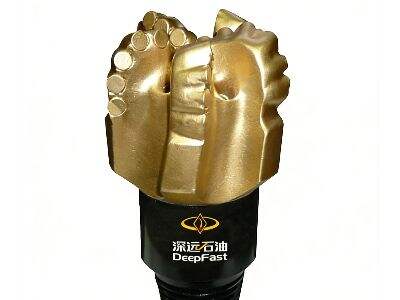
Material selection is paramount in determining steel tooth Tricone bit durability and efficiency. The most commonly used materials for Tricone bits include steel and tungsten carbide. Steel bits, while generally less expensive, may wear out more quickly in abrasive conditions, leading to increased costs in replacements
Tungsten carbide, on the other hand, is known for its hardness and resistance to wear, making it suitable for harsh drilling environments. Choosing a bit with tungsten carbide tips can significantly enhance performance in challenging formations. However, this comes at a higher upfront cost, so it is essential to weigh the immediate expense against long-term savings due to reduced downtime and maintenance
Furthermore, consider the potential impact of environmental factors, such as temperature and chemical exposure, on material selection. The right material can help ensure that the Tricone bit maintains its integrity and performance metrics throughout the drilling process
Understanding what determines Tricone bit performance downhole involves a comprehensive evaluation of design, material, and suitability for specific drilling conditions. By focusing on these factors, purchasing managers and engineers can make informed decisions that will enhance drilling efficiency and reduce costs
Table of Contents
- What Factors Influence Tricone Bit Performance in Downhole Operations
- How to Choose the Right Tricone Bit for Your Drilling Project
- Key Specifications to Evaluate Tricone Bit Quality and Performance
- Cost Considerations for Bulk Orders of Tricone Bits
- How Material Selection Affects Tricone Bit Durability and Efficiency

