




Downhole motors are essential components in the oil and gas drilling industry, designed to transfer hydraulic power directly to the drill bit. Understanding how downhole motors transfer hydraulic power to the drill bit is crucial for purchasing managers and engineers seeking efficient drilling solutions. This article will explore the nuances of downhole motors, addressing buyer concerns such as efficiency, specifications, common issues, and applications. By the end, readers will gain valuable insights into selecting the right downhole motors for their drilling operations
How Downhole Motors Enhance Hydraulic Power Transfer Efficiency
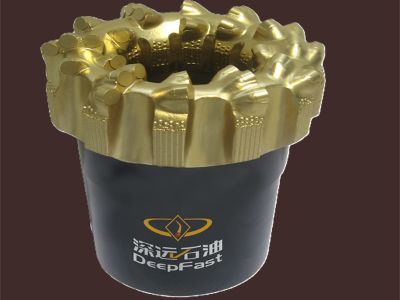
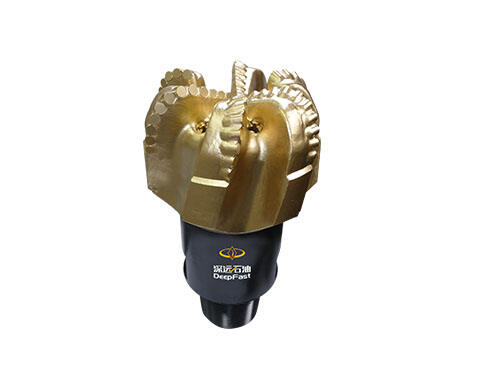
Downhole motors enhance hydraulic power transfer efficiency by converting the hydraulic energy from the drilling fluid into mechanical energy that drives the 4blades diamond drill bit. This conversion is primarily achieved through the motor's rotor and stator design, which allows for a smooth and continuous flow of hydraulic fluid. Key factors affecting this efficiency include the motor's displacement, pressure drop across the motor, and the viscosity of the drilling fluid
A higher displacement motor can generate more torque, allowing for more effective drilling, particularly in challenging formations. However, it is essential to balance displacement with the pressure available in the system. If the pressure drop across the motor is too significant, it can lead to reduced efficiency and increased wear on the components. Therefore, selecting the right motor based on the specific drilling environment and fluid characteristics is critical for optimal performance
Key Specifications for Downhole Motors in Hydraulic Applications
When evaluating downhole motors for hydraulic applications, several key specifications warrant attention
Displacement: This indicates the volume of fluid the motor can displace per revolution. Higher displacements may provide increased torque but can also require higher hydraulic pressure
Torque Rating: This specification measures the motor's ability to perform work. A motor with a higher torque rating can handle more challenging drilling conditions effectively
Speed Rating: The motor's rotational speed is crucial for ensuring the drill bit
operates at optimal performance levels. The speed must be matched to the type of bit being used to avoid issues like bit wear or damage
Pressure Rating: This specification defines the maximum operating pressure the motor can handle. Exceeding this limit can lead to catastrophic failures
Material Construction: The materials used in the construction of the motor significantly affect its durability and performance. Motors made from high-strength alloys can withstand harsh operating conditions and prolong service life
Buyers should prioritize these specifications based on their specific drilling applications and environmental conditions to ensure that the selected motors meet their operational requirements
Reliable Suppliers for Downhole Motors
Choosing a reliable supplier for downhole motors is vital for securing quality products that meet industry standards. Potential buyers should look for suppliers who
Have a Proven Track Record: Suppliers with extensive experience in manufacturing downhole motors can better understand the intricacies of the drilling environment
Possess Relevant Certifications: Look for suppliers certified by organizations such as API and ISO, as these certifications indicate adherence to quality and safety standards
Offer Customization Options: A good supplier should provide customization capabilities to tailor the motors to specific application requirements, ensuring optimal performance
Provide Comprehensive Support: Suppliers should offer technical support and guidance throughout the purchasing process, including assistance with product selection, installation, and troubleshooting
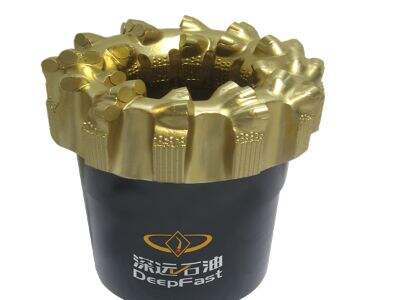
DeepFast Oil Drilling Tools exemplifies a reliable supplier, offering a range of downhole motors backed by years of experience and a commitment to quality
Common Problems with Downhole Motors and Their Solutions
Downhole motors, while robust, can experience common issues that may hinder performance. Some of these problems and their solutions include
Overheating: This can occur due to excessive torque or inadequate cooling. To mitigate this, ensure that the motor is operated within its specified torque range and that the drilling fluid is adequately circulated to cool the motor
Wear and Tear: Continuous use can lead to degradation of motor components. Regular maintenance, including inspection and replacement of worn parts, is essential to prolong the motor's lifespan
Loss of Power: If the motor is not producing the expected torque, check for blockages in the hydraulic system or leaks in the motor casing. Regular quality checks on the drilling fluid can also help maintain consistent performance
Vibration Issues: Excessive vibration can lead to premature failure. Ensuring proper alignment during installation and using vibration-dampening techniques can help reduce this risk
By proactively addressing these common issues, buyers can enhance the reliability and efficiency of their downhole motors
Applications of Downhole Motors in Oil and Gas Drilling
Downhole motors are utilized in various applications within the oil and gas drilling industry, including
Directional Drilling: Downhole motors enable precise directional control, allowing operators to navigate complex geological formations and reach target reservoirs effectively
Horizontal Drilling: In applications where horizontal drilling is required, downhole motors provide the necessary torque to drill long laterals, optimizing resource extraction
PDC Bit Operations: Polycrystalline diamond compact (PDC) bits benefit significantly from downhole motors, as they require high rotational speeds and torque for effective performance
Wellbore Cleaning: Downhole motors can also assist in wellbore cleaning operations by providing the necessary hydraulic power to drive cleaning tools
Understanding the specific applications of downhole motors allows buyers to select the most suitable products for their drilling projects, ensuring efficiency and effectiveness in resource extraction
By grasping how downhole motors transfer hydraulic power to the drill bit and addressing critical buying considerations, professionals in the oil and gas industry can make informed purchasing decisions that enhance their drilling operations

