




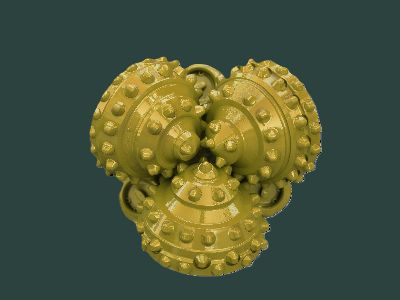
The role of Tricone bits in soft and hard formations is integral to efficient drilling operations in the oil and gas industry. These specialized drilling tools are designed to penetrate various geological formations, making them essential for both exploration and production phases. Buyers often seek information on quality, cost, installation, and common issues to ensure they select the right Tricone bit for their projects. This article will provide insights into evaluating Tricone bit quality, understanding cost factors, installation guidance, common problems, and the material advantages that make these tools effective in diverse drilling conditions
How to Evaluate Tricone Bit Quality for Your Project Needs
When assessing the quality of Tricone bits, buyers should focus on several key specifications that directly impact performance. These include the bit’s material composition, bearing type, and tooth design. For instance, tungsten carbide inserts are often used for hard rock formations due to their durability, while milled tooth designs are more effective in softer formations
Additionally, the bearing configuration—whether it is a journal bearing or a roller bearing—affects the bit's heat and wear resistance. A roller bearing typically provides better performance in demanding conditions but may require more precise maintenance. Buyers should also consider the API and ISO certifications, which signify adherence to industry standards. A thorough quality control process, including inspections and testing of prototypes, ensures that the final product meets the required specifications for durability and performance
Understanding these specifications helps buyers choose the right Tricone bit tailored to their specific project requirements, maximizing efficiency and reducing downtime during drilling operations
Understanding the Cost Factors of Tricone Bits for Buyers
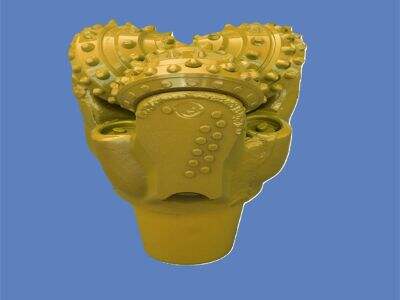
The cost of Tricone bits can vary significantly based on several factors. Firstly, the material used in manufacturing plays a critical role; bits made from high-grade materials like tungsten carbide will typically be more expensive than those made from simpler alloys
Another important factor is the bit's design and configuration. Custom-designed bits that cater to specific geological conditions or project requirements will incur additional costs due to the complexity of manufacturing. Additionally, the quantity ordered can affect pricing; larger orders may qualify for bulk pricing discounts, which can be advantageous for companies that require multiple bits for a large project
Lastly, buyers should consider the long-term value of the bit. Investing in higher-quality Tricone bits may result in lower overall costs due to reduced wear and extended service life, thereby minimizing total drilling expenses. It’s advisable to request detailed quotations that break down these factors to better understand the pricing structure
Installation Guidance for Tricone Bits in Various Formations
Proper installation of pdc Tricone bits is crucial for achieving optimal drilling performance. The installation process may vary depending on the geological formation being drilled. When working in softer formations, it is essential to maintain moderate rotational speeds to prevent excessive wear and tear on the bit. Conversely, in harder formations, higher speeds may be necessary, but care should be taken to avoid overheating the bit
Before installation, ensure that the drill string is properly aligned and that the bit is securely attached. It's also advisable to conduct a pre-installation inspection of the bit to check for any signs of damage or wear. During the drilling process, monitor the rate of penetration (ROP) and make adjustments as needed
Buyers should consult the manufacturer's installation guidelines specific to the Tricone bit model to ensure compliance with best practices for various formations. This not only enhances performance but also prolongs the life of the bit, leading to more efficient drilling operations
Common Problems with Tricone Bits and Effective Solutions
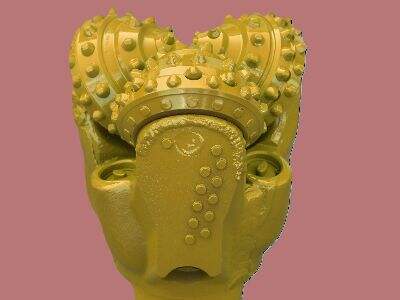
Despite their robust design, Tricone bits can encounter several common issues during use. One frequent problem is premature wear, often caused by inappropriate speed settings or drilling in unsuitable formations. To mitigate this, operators should adhere to the recommended operating parameters provided by the manufacturer and regularly monitor the bit's performance
Another common issue is bit jamming, which can occur when the bit encounters unexpected hard rock or debris. Effective solutions include adjusting the weight on the bit and maintaining a steady drilling fluid circulation to keep the bit cool and clear of obstructions
Additionally, buyers should consider implementing a routine maintenance schedule that includes regular inspections of the bits after each drilling phase. This helps identify wear patterns and potential problems early, allowing for timely replacement or repair, thus preventing costly downtime
Material Advantages of Tricone Bits in Oil and Gas Drilling
Tricone bits offer several material advantages that make them suitable for diverse drilling applications. The use of high-quality materials, such as steel or tungsten carbide, enhances the bit's ability to withstand high pressures and temperatures encountered during drilling operations. Tungsten carbide inserts, for instance, provide exceptional hardness and wear resistance, making them ideal for penetrating hard rock formations
Moreover, the design of Tricone bits allows for effective chip removal, which is critical for maintaining drilling efficiency. The unique cone structure facilitates the efficient breaking of rock and ensures that cuttings are effectively removed from the borehole
These material advantages not only improve the performance of Tricone bits but also contribute to their longevity, making them a cost-effective choice for drilling operations. Buyers should consider these material properties when selecting bits for specific formations to ensure optimal performance and durability throughout the drilling process
By understanding the role of Tricone bits in soft and hard formations, buyers can make informed decisions that enhance their drilling operations' efficiency and reliability

