




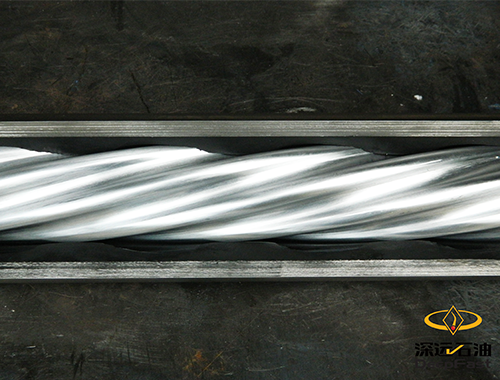
Understanding how stator geometry controls motor performance is critical for optimizing drilling applications in the oil and gas industry. The stator, a vital component of downhole motors, directly affects efficiency, power output, and operational reliability. B2B buyers, including purchasing managers and engineers, often face challenges in selecting the right stators due to the diverse range of specifications and performance requirements. This article will elucidate the impact of stator geometry on motor performance, guiding buyers in their selection process for enhanced drilling outcomes.
How Stator Geometry Impacts Motor Performance in Oil Drilling
Stator geometry refers to the design and configuration of the stator's internal structure, including its length, diameter, and the shape of the flow passages. These factors play a pivotal role in motor performance by influencing fluid dynamics, torque generation, and overall power efficiency.
Fluid Dynamics: The shape and size of the stator affect how drilling fluid flows through the motor. A well-designed engine stator will facilitate optimal fluid movement, reducing turbulence and ensuring that hydraulic energy is effectively converted into mechanical power. This can lead to increased torque and improved drilling rates.
Torque Generation: The geometry of the stator also determines the amount of torque produced. A stator that is too short or has improper flow passage shapes may limit the motor's ability to generate sufficient torque, which is crucial for penetrating tough geological formations.
Wear and Tear: Incorrect stator geometry can lead to uneven wear, resulting in premature failure of the motor. This is particularly important in downhole applications where the environment is harsh and maintenance is difficult. Proper geometry helps to distribute stress evenly across the stator, enhancing its lifespan and reliability.
Understanding these aspects enables buyers to select stators that optimize their motor performance, ensuring effective drilling operations.
Where to Source High-Quality Stators for Your Motor Applications
When sourcing stators for motor applications, it's essential to choose suppliers who prioritize quality and customization. High-quality stators can significantly enhance motor performance and reduce downtime.
Reputable Manufacturers: Look for manufacturers with certifications such as API and ISO, which ensure adherence to industry standards. Companies like DeepFast Oil Drilling Tools leverage advanced equipment from Japan and Germany, known for precision engineering and reliability in producing downhole tools.
Customization Capabilities: Different drilling environments and applications may require specific stator designs. Suppliers that offer customization can tailor the geometry, materials, and dimensions to meet your exact requirements. This can involve collaborating with engineers to develop unique solutions that enhance performance in specific conditions.
Quality Assurance: Ensure that the supplier has a robust quality control process. This includes rigorous testing of materials, dimensional checks, and performance evaluations under simulated operating conditions. A supplier with a proven track record in quality assurance will help mitigate risks associated with premature stator failure.
By focusing on these factors, buyers can successfully source high-quality induction motor stator that align with their operational needs.
Key Specifications for Buyers
Understanding the key specifications of stators is crucial for making informed purchasing decisions. Here are some important factors to consider:
Material Composition: The material used in the stator construction affects its durability and performance. Common materials include elastomers and metals, which should be chosen based on the expected chemical exposure and temperature conditions of the drilling environment.
Length and Diameter: The dimensions of the stator should be compatible with the motor design. Incorrect dimensions can lead to poor performance and increased operational risks. Buyers should verify these specifications against the motor’s design requirements.
Flow Passage Geometry: The internal design of flow passages must be optimized for the specific application. Buyers should consult with suppliers to understand how variations in this geometry can impact fluid dynamics and torque production.
Pressure and Temperature Ratings: Ensure that the stator can withstand the anticipated pressure and temperature ranges encountered during drilling. Failure to account for these factors can lead to costly operational failures.
By evaluating these specifications thoroughly, buyers can avoid common pitfalls and select the most suitable stators for their applications.
Solutions for Enhancing Motor Performance Through Stator Geometry
Enhancing motor performance through brushless motor stator geometry involves understanding the relationship between design and application. Here are some strategies to consider:
Customized Design: Collaborate with manufacturers to design stators that fit your specific drilling conditions. This could involve adjusting the length, diameter, or internal flow paths to optimize performance based on geological conditions.
Material Upgrades: Consider using advanced materials that offer better resistance to wear and chemical exposure. This can improve the longevity and reliability of the stator, especially in harsh downhole environments.
Testing and Validation: Conduct thorough testing of prototypes under simulated operational conditions. This will help identify any potential issues with geometry before mass production and provide insights into how modifications can enhance performance.
Regular Performance Reviews: After implementation, regularly monitor motor performance and wear patterns. This information can inform future design iterations and help manufacturers improve their offerings.
By adopting these solutions, companies can significantly enhance the effectiveness of their drilling operations through optimized stator geometry.
Bulk Order Considerations for Custom Stator Designs in Motors
When planning to place bulk orders for custom stator designs, several key considerations can streamline the process and ensure successful outcomes:
Minimum Order Quantities (MOQ): Understand the supplier's MOQ requirements. Some manufacturers may have specific thresholds that can affect pricing and lead times. Assess how these factors align with your projected needs.
Lead Time: Custom designs may require longer lead times due to the need for prototyping and testing. It’s essential to discuss timelines with the supplier to ensure that delivery aligns with your operational schedule.
Sample Approval Process: Before committing to a bulk order, request samples of the stator designs. This is critical for validating that the geometry meets your specifications and performance expectations. A thorough sample review can prevent costly mistakes in mass production.
Cost Factors: Be aware that custom designs may have varying cost implications based on material selection, complexity of the design, and production processes. Engage in discussions with suppliers about how to balance quality and cost effectively.
Packaging and Shipping: Consider the logistics involved in shipping bulk orders. Ensure that the supplier has appropriate packaging methods to protect the AC motor stator during transport, especially for delicate designs.
By addressing these aspects, buyers can effectively navigate the complexities of sourcing custom stator designs, ensuring that they receive high-quality components tailored to their specific needs.

