




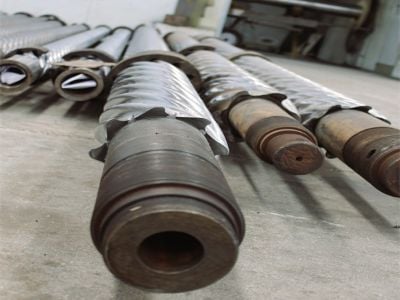
Understanding the factors that affect stator wear in mud motor applications is crucial for ensuring optimal performance and longevity of downhole tools. Stator quality directly influences drilling efficiency and operational costs, making it a top concern for purchasing managers and engineers in the oil and gas industry. We will explore how to assess stator quality, compare stator specifications, understand cost factors in stator selection, identify solutions to minimize stator wear, and discuss best practices for installation to enhance stator life
How to Assess Stator Quality for Mud Motor Use
When evaluating Stator quality for mud motors, several key parameters must be considered. The material composition, typically high-performance elastomers, plays a vital role in determining wear resistance and performance under extreme conditions. Look for stators constructed with materials that can withstand the harsh environments typically encountered in oil drilling, such as high temperatures, corrosive fluids, and abrasive particulates
Another important aspect is the manufacturing process. High-quality stators are often produced using advanced techniques like injection molding or extrusion, which ensure uniformity and precision. It is essential to verify that the manufacturer employs stringent quality control measures throughout production, including testing for dimensional accuracy and mechanical properties
Finally, certifications such as API and ISO can indicate that the stator meets industry standards for quality and safety. Ensure that the supplier can provide documentation of their certifications and quality assurance processes
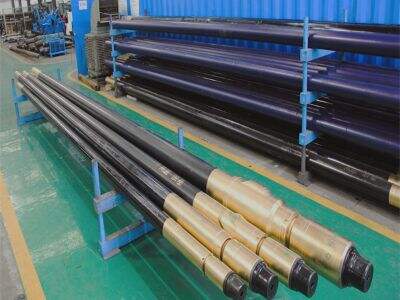
Comparing Stator Specifications for Optimal Mud Motor Performance
Stator specifications significantly impact the performance of mud motors. Key specifications to compare include the stator's outer diameter, inner diameter, length, and the number of lobes. A stator with more lobes can often provide better flow characteristics and efficiency, but it may also be more susceptible to wear under certain conditions
Additionally, the hardness of the elastomer used in the stator affects its durability and performance. Softer materials may provide better sealing and flow at lower pressure differentials, whereas harder materials can withstand higher pressures but might sacrifice flexibility. Buyers should assess the specific drilling conditions and operational requirements to select the appropriate hardness level
The type of bonding used between the stator and rotor is also critical. A strong bond ensures that the stator maintains its integrity during operation, reducing the risk of premature failure. Inquire about the bonding methods used and any testing conducted to validate their effectiveness
Understanding Cost Factors in Stator Selection for Mud Motors
Several cost factors influence stator selection for mud motors, including material costs, manufacturing complexity, and customization requirements. Higher-quality materials typically come at a premium, but they can lead to significant cost savings in the long run by reducing wear and maintenance needs
Manufacturing complexity also affects pricing; more intricate designs may require advanced machinery and longer production times, which can drive up costs. When considering a stator, evaluate the total cost of ownership rather than just the initial purchase price. This assessment should include factors such as expected lifespan, maintenance intervals, and potential downtime costs associated with stator failure
Customization can also impact costs. If specific dimensions or performance characteristics are required, expect additional charges for custom tooling and production runs. It is advisable to provide comprehensive information about the application when requesting a quotation to ensure accurate pricing
Solutions to Minimize Stator Wear in Mud Motor Applications
Minimizing stator wear in mud motor applications requires a multifaceted approach. One effective strategy is to optimize the operating conditions of the mud motor. Ensuring that the drilling mud is properly formulated can reduce abrasive wear on the stator. Using additives that enhance lubrication and stability can also help extend the life of the stator
Regular monitoring and maintenance practices are essential to catch potential issues early. Implementing a routine inspection schedule can help identify wear patterns and allow for timely replacements before failures occur
Additionally, selecting stators designed with wear-resistant features, such as reinforced structures or specialized coatings, can significantly reduce wear rates. Discuss available options with your supplier to find solutions tailored to your specific operational challenges
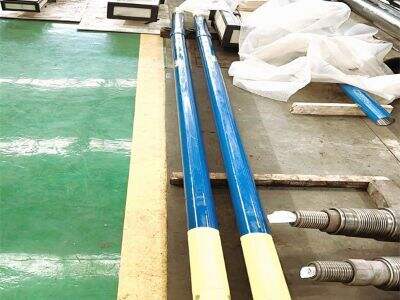
Installation Best Practices for Enhanced Stator Life in Motors
Proper installation is critical for maximizing the lifespan of mud motor stator. Begin by ensuring that the installation environment is clean and free from contaminants that could affect the stator's performance. When handling the stator, avoid using sharp tools or methods that could damage the material
Follow the manufacturer's guidelines for torque specifications and assembly procedures. Over-tightening or misalignment during installation can lead to stress concentrations that may cause premature wear or failure. It is also advisable to use a lubricant specifically recommended for the stator material to enhance sealing and reduce friction during operation
Finally, training personnel on best practices for installation and maintenance will help in minimizing human error, which is often a significant factor in equipment failures. Investing in proper training can lead to better operational efficiency and reduced costs over time

