




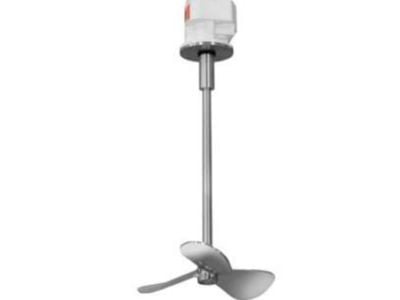
Agitator configuration for directional drilling systems plays a crucial role in optimizing drilling performance and efficiency. For purchasing managers and engineers in the oil and gas industry, selecting the right agitator tools can significantly impact the success of drilling operations. This article will guide you through essential factors to consider when evaluating agitator tools, sourcing reliable suppliers, understanding cost factors, and choosing the best options for your specific needs
What to Look for in Agitator Tools
When selecting agitator tools for directional drilling systems, several specifications and features should be evaluated
Material Quality: The materials used in agitator construction are critical, as they directly influence durability and performance. Look for tools made from high-strength alloys or specialized composites that can withstand the harsh conditions of downhole environments, including high pressure and temperature extremes
Design Configuration: The design of the agitator should facilitate optimal fluid dynamics, ensuring efficient mixing and circulation of drilling fluids. Consider the blade shape, size, and arrangement, as these factors can affect how well the agitator mixes and moves materials
Compatibility: Ensure the agitator is compatible with existing drilling equipment and can be easily integrated into the drilling system. Compatibility with various types of motors and bits can enhance operational flexibility and reduce downtime
Customization Options: Many manufacturers offer customization capabilities to meet specific operational requirements. Discuss your application needs with potential suppliers to ensure the agitator can be tailored to your parameters
Certification and Quality Assurance: Look for agitators that meet industry standards, such as API and ISO certifications, which indicate adherence to quality and safety protocols. This is particularly important in the oil and gas sector, where reliability is paramount
Where to Source Reliable Agitators for Bulk Orders
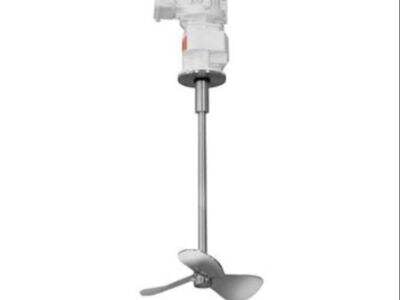
Sourcing reliable agitators for bulk orders requires careful consideration of suppliers. Start by identifying manufacturers with a proven track record in the oil and gas industry, particularly those with advanced manufacturing capabilities, like DeepFast Oil Drilling Tools. Here are some strategies for sourcing
Industry Connections: Leverage your network within the oil and gas sector to get recommendations for reputable suppliers. Peer reviews can provide insights into the quality and reliability of the agitators
Trade Shows and Expos: Attend industry trade shows to meet manufacturers in person, assess their products, and discuss their capabilities. This hands-on approach can help you evaluate the quality of their agitators
Online Research: Use online platforms and industry directories to identify potential suppliers. Review their websites for product specifications, certifications, and case studies that demonstrate their expertise in manufacturing agitators
Request Samples: Before committing to bulk orders, request samples to evaluate the agitator's performance in real-world applications. This helps ensure that the product meets your operational requirements
Cost Factors to Consider When Purchasing Agitators
Understanding the cost factors associated with purchasing agitators is essential for making informed decisions. Key considerations include
Material Costs: The choice of materials can significantly affect the price. High-performance materials may have a higher upfront cost but can offer greater durability and lower maintenance costs in the long run
Customization Charges: If you require custom agitator configurations, be aware that additional costs may apply. Discuss these potential costs upfront to avoid surprises during the procurement process
Volume Discounts: Many manufacturers offer discounts for bulk orders. Consider your anticipated needs and negotiate pricing based on the volume you plan to purchase
Shipping and Handling: Factor in shipping costs, especially if sourcing from international suppliers. Understand the logistics and any potential delays that could impact your project timeline
Maintenance and Lifespan: While initial costs are important, consider the total cost of ownership, including maintenance requirements and the expected lifespan of the agitator. A more expensive, durable product may provide better long-term value
Which is Best for You
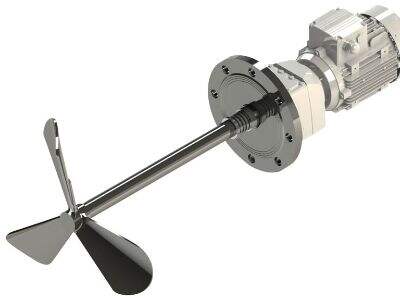
Choosing the best agitator for your directional drilling systems involves evaluating your specific operational needs and the unique characteristics of available products. Here are some steps to guide your decision
Assess Operational Requirements: Determine the specific requirements of your drilling operations, such as fluid viscosity, drilling depth, and environmental conditions. This assessment will help narrow down suitable agitator options
Compare Specifications: Create a comparison chart of different agitators, focusing on key specifications such as size, material, and design features. This visual aid can facilitate easier decision-making
Consult with Experts: Engage with technical representatives from manufacturers to discuss your needs. Their expertise can help clarify which agitator configurations would best suit your applications
Evaluate Performance Data: Look for performance data or case studies that demonstrate how specific agitators have performed in similar applications. This real-world evidence can support your selection process
Advantages of Advanced Materials in Agitator Manufacturing
The use of advanced materials in agitator manufacturing offers several advantages that can enhance drilling efficiency and tool lifespan
Increased Strength and Durability: Advanced materials, such as high-strength steel alloys or composite materials, provide superior resistance to wear and fatigue, which is essential for the demanding conditions of downhole drilling
Weight Reduction: Lightweight materials can reduce the overall weight of the drilling assembly, which can lead to easier handling and improved fuel efficiency during operations
Corrosion Resistance: Many advanced materials are designed to withstand corrosive environments, reducing the likelihood of equipment failure and extending the operational life of the agitator
Enhanced Performance: The right material can improve the efficiency of fluid mixing and circulation, leading to better drilling performance and potentially lower overall costs due to reduced downtime and maintenance needs
Customization Potential: Advanced materials often allow for more innovative designs that can be tailored to specific applications, providing a competitive edge in complex drilling environments
By understanding the factors influencing agitator configuration for directional drilling systems, purchasing managers and engineers can make informed decisions that lead to successful drilling operations. Ensuring the right specifications, sourcing from reliable manufacturers, and considering cost factors will ultimately contribute to the efficiency and effectiveness of your drilling projects

