




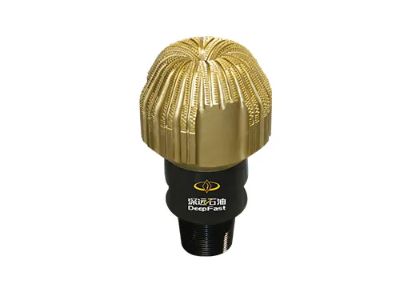
Understanding how PDC bits perform in different rock formations is crucial for achieving optimal drilling outcomes in the oil and gas industry. These specialized drill bits, known for their efficiency and durability, must be compatible with the characteristics of the formation being drilled. B2B buyers, including purchasing managers and engineers, often seek to understand the specific performance metrics of PDC bits in various geological conditions. This article will provide insights into the adaptability of PDC bits, their performance in challenging scenarios, installation guidance, cost considerations for bulk purchases, and diverse applications across different industries.
How PDC Bits Adapt to Various Rock Formation Types?
PDC (Polycrystalline Diamond Compact) bits are engineered to handle the complexities of different rock formations, which can vary widely in terms of hardness, brittleness, and abrasiveness. The adaptability of these bits is primarily attributed to their unique cutting structure and material composition.
In softer formations, such as clay or sandstone, PDC bits tend to exhibit excellent penetration rates due to their sharp cutting edges and ability to maintain cutting efficiency. Conversely, in harder formations like granite or basalt, PDC bits are designed with a higher diamond concentration and a modified geometry that enhances durability and reduces wear. Buyers should consider the specific rock formations they will encounter when selecting PDC bits, as this will significantly influence drilling performance and bit longevity. Furthermore, customization options are available for 12 1/4 PDC bit , allowing manufacturers like DeepFast Oil Drilling Tools to tailor bit features such as the number of cutters, cutter spacing, and bit profile to meet the specific needs of different geological conditions. This level of customization can optimize drilling performance and minimize downtime.
Evaluating PDC Bit Performance in Challenging Conditions
When evaluating PDC bit performance in challenging conditions, several factors must be considered, including rock hardness, formation stability, and fluid dynamics. PDC bits excel in environments where consistent pressure and cooling mechanisms are maintained, but fluctuations can adversely affect their effectiveness. In formations with significant amounts of abrasive materials, such as shale or heavily fractured rocks, buyers should look for PDC bits with enhanced wear resistance, which can be achieved through advanced material treatments or specific diamond grades. Testing and field performance data can provide insights into how various 16mmPDC cutter configurations respond to these demanding conditions. Additionally, buyers should assess the impact of drilling parameters such as weight on bit (WOB), rotational speed, and mud properties, as these can significantly affect bit performance. Conducting a thorough evaluation of these parameters during the planning phase can lead to more informed purchasing decisions and better overall drilling outcomes.
Installation Guidance for PDC Bits in Diverse Environments
Proper installation of PDC bits is critical for maximizing their effectiveness and lifespan. Before installation, it is essential to inspect the bit for any visible defects and ensure that it is compatible with the drilling equipment. During installation, attention should be paid to the alignment of the bit with the drill string, as misalignment can lead to uneven wear and reduced drilling efficiency. In varying environmental conditions, such as extreme temperatures or high-pressure settings, the installation process may require specific techniques. For instance, in high-temperature environments, it is vital to use lubricants that can withstand elevated heat without breaking down. This ensures optimal bit performance and prevents damage during the drilling process. After installation, monitoring the performance of the PDC bit is crucial. Regular assessments can help identify issues early on, allowing for timely interventions and adjustments. Buyers may benefit from having a maintenance schedule in place to address wear and tear proactively, which can enhance the bit's operational lifespan.
Cost Considerations When Purchasing PDC Bits Wholesale
When purchasing PDC bits wholesale, buyers must consider several cost factors beyond the initial price per unit. While it may be tempting to choose the lowest-priced option, total cost of ownership (TCO) should be evaluated, which includes maintenance, operational efficiency, and potential downtime.
Factors that can influence pricing include the complexity of customization, the specific materials used, and the manufacturer’s production capacity. For example, PDC bits with advanced features like enhanced wear resistance or custom geometries may come at a higher upfront cost but can lead to significant savings in terms of reduced wear and longer operational life. Buyers should also be aware of minimum order quantities (MOQ) and bulk pricing structures, as these can greatly impact overall costs. Establishing a good working relationship with suppliers can facilitate negotiations for better pricing and lead times, especially for bulk purchases.
Applications of PDC Bits Across Different Industries
PDC bits are not only used in oil and gas drilling but have applications across various industries, including geothermal energy, mining, and civil engineering. In geothermal drilling, PDC bits are favored for their ability to penetrate hard rock formations efficiently, providing a cost-effective solution for accessing geothermal resources. In the mining sector, PDC bits are used for exploration drilling, where the need for precision and reliability is paramount. The ability to customize bits for specific mineral formations allows for optimized drilling performance and reduced environmental impact. Civil engineering projects often require PDC bits for foundation drilling and tunneling applications, where their durability and cutting efficiency can significantly enhance project timelines. Understanding the specific requirements of each application is essential for selecting the right 215.9mm PDC bit, ensuring that it meets the necessary performance standards while also adhering to safety and regulatory guidelines. By recognizing the diverse applications of PDC bits, buyers can make more informed decisions that align with their operational goals and industry standards. This knowledge can lead to more strategic purchasing decisions that enhance overall project outcomes.

