




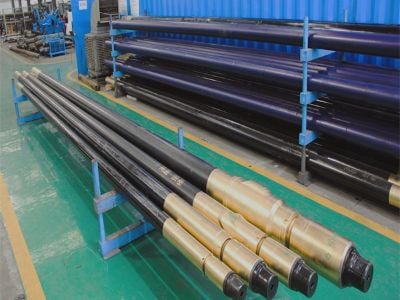
Understanding how rotor design affects downhole motor performance is crucial for ensuring efficient and effective drilling operations in the oil and gas industry. The rotor is a key component within downhole motors, and its design can significantly influence the motor’s efficiency, durability, and overall performance. Buyers often seek to understand the relationship between rotor design and motor capabilities, as this knowledge directly impacts their purchasing decisions. This article will explore how rotor design influences downhole equipment performance, key specifications for selecting the right rotor design, sourcing high-quality motors, installation guidance, and common rotor design issues with their solutions.
How Rotor Design Influences Downhole Motor Efficiency and Performance?
The rotor design in downhole motors affects both efficiency and performance through several factors such as geometry, materials, and manufacturing precision. A well-designed rotor can maximize the conversion of hydraulic energy into mechanical energy, directly influencing the power output and efficiency of the motor.
For instance, rotors with optimized pitch and diameter can enhance fluid flow dynamics, reducing turbulence and energy losses. This optimization allows for higher torque output and improved drilling speed, which are critical for minimizing operational costs. Furthermore, the choice of materials affects the rotor's ability to withstand harsh downhole conditions such as high temperatures and corrosive environments.
Buyers should also consider the rotor's weight and balance, as these factors influence the overall performance of the drilling assembly. A downhole tools that is too heavy may lead to excessive wear on the motor components and the drill string, while an unbalanced rotor can cause vibration, reducing the lifespan of the motor and associated tools. Therefore, understanding these design elements is essential for selecting a rotor that aligns with specific drilling applications and performance requirements.
Key Specifications for Selecting the Right Downhole Motor Rotor Design
When evaluating downhole motor rotor designs, several key specifications must be considered to ensure optimal performance for specific applications. These include:
Rotor Diameter: The diameter affects the motor's torque and flow rate. A larger diameter typically increases torque, making it suitable for heavy-duty applications, while a smaller diameter may be preferable for operations requiring higher speeds.
Pitch and Geometry: The rotor's pitch impacts the efficiency of fluid movement and torque generation. A careful balance is necessary to achieve the desired performance without introducing excessive wear.
Material Composition: Select materials that offer high strength-to-weight ratios, corrosion resistance, and thermal stability. Common materials include high-strength alloys and composites specifically designed for downhole conditions.
Manufacturing Standards: Ensure that the rotor design meets industry standards, such as API and ISO certifications, which can provide assurance of quality and performance.
Customization Options: Depending on the specific drilling environment, customization may be necessary. Factors such as the type of formation being drilled and the expected fluid characteristics should guide customization decisions.
When requesting quotations, buyers should provide these specifications along with details about the intended application to facilitate accurate pricing and production timelines.
Where to Source High-Quality Downhole Motors with Optimal Rotor Designs?
Sourcing high-quality downhole motors with optimal rotor designs begins with identifying reputable manufacturers known for their expertise in producing downhole tools. Look for suppliers who utilize advanced manufacturing technologies and have a proven track record of innovation in rotor design.
Consider suppliers that hold multiple patents, as this indicates a commitment to developing unique and effective solutions. Additionally, verify that the manufacturer adheres to recognized quality standards, such as API and ISO certifications. This compliance ensures that the products are rigorously tested for performance and durability.
Engaging with suppliers through industry exhibitions and trade shows can also provide valuable insights into their product offerings. Always request detailed product catalogs and specifications to compare rotor designs and performance characteristics. Establishing a relationship with your supplier can facilitate better communication regarding customization and specific application needs.
Installation Guidance for Effective Use of Downhole Motor Rotors
Proper installation is critical to ensuring that downhole motor rotors perform optimally. Here are key considerations for effective installation:
Pre-Installation Inspection: Before installation, conduct a thorough inspection of the rotor for any manufacturing defects or damage. Look for issues such as surface irregularities, which may affect performance.
Alignment: Ensure that the rotor is properly aligned with the motor casing. Misalignment can lead to increased wear, vibration, and ultimately motor failure.
Torque Specifications: Follow the manufacturer's recommended torque specifications when securing the rotor to the motor assembly. Over-tightening can lead to damage, while under-tightening may result in operational failures.
Fluid Compatibility: Ensure that the drilling fluids used are compatible with the rotor materials to prevent chemical degradation and maintain performance.
Testing: After installation, conduct performance tests under controlled conditions to confirm that the rotor operates efficiently within its designated specifications.
Proper installation not only enhances performance but also extends the lifespan of the Rotary Downhole Motor and associated components, reducing the need for frequent replacements and minimizing downtime.
Common Problems with Rotor Designs and Proven Solutions for Buyers
Rotor designs can encounter several common issues that may affect performance. Understanding these challenges and their solutions can assist buyers in making informed decisions:
Excessive Wear: This often occurs due to poor material selection or inadequate lubrication. Buyers should ensure that the rotor materials are suitable for the specific conditions of the well and that appropriate lubricants are used during operation.
Vibration Issues: Unbalanced rotors can lead to vibrations that damage the motor and drill string. Buyers should consider rotor designs that incorporate balancing features, or they should ensure that the installation process adheres to strict alignment guidelines.
Corrosion: Exposure to corrosive drilling fluids can degrade rotor materials. To combat this, select rotors made from corrosion-resistant alloys or consider protective coatings to extend the lifespan of the rotor.
Fluid Flow Limitations: Suboptimal rotor geometry can restrict fluid flow, reducing efficiency. Collaborate with manufacturers to customize rotor designs that facilitate optimal fluid dynamics based on specific drilling conditions.
By being aware of these potential issues and their solutions, buyers can more effectively evaluate rotor designs and select options that will deliver reliable performance under challenging conditions.
understanding how rotor design affects downhole motor performance is essential for making informed purchasing decisions in the oil and gas sector. By considering key specifications, sourcing from reputable suppliers, ensuring proper installation, and being aware of common design issues, buyers can enhance the efficiency and reliability of their drilling operations.
Table of Contents
- How Rotor Design Influences Downhole Motor Efficiency and Performance?
- Key Specifications for Selecting the Right Downhole Motor Rotor Design
- Where to Source High-Quality Downhole Motors with Optimal Rotor Designs?
- Installation Guidance for Effective Use of Downhole Motor Rotors
- Common Problems with Rotor Designs and Proven Solutions for Buyers

