




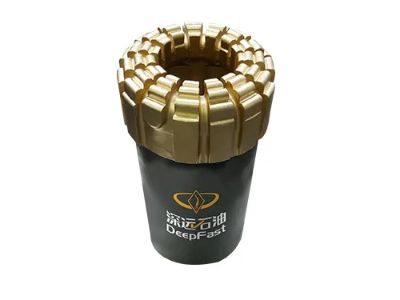
Understanding how rotor and stator geometry affects mud motor output is crucial for optimizing drilling performance in the oil and gas industry. These two critical components play a significant role in the efficiency and effectiveness of mud motors, which are essential for downhole applications. B2B buyers, including purchasing managers and engineers, often grapple with how to select the most suitable rotor and stator designs to meet their specific drilling needs. This article will provide insights into the various factors influencing mud motor output, helping you make informed decisions when sourcing these components.
Selecting the Right Rotor and Stator for Your Drilling Needs
When selecting rotors and stators for mud motors, it’s essential to consider the specific drilling conditions and project requirements. Key factors include the desired flow rate, torque requirements, and the type of formation being drilled. The rotor and stator combination must be compatible with the type of drilling fluid used, as this can significantly affect performance. For instance, a higher flow rate may require a rotor with a larger diameter, while a stator with a tighter clearance can enhance efficiency by maintaining pressure. Additionally, the length and pitch of the rotor can influence the motor's ability to deliver power under different loads. Buyers should also evaluate the material of the rotor and stator, as variations in material can impact durability and performance under high-stress conditions. Consulting with a manufacturer that understands these nuances can provide valuable insights tailored to your specific application.
Comparing Rotor and Stator Designs for Enhanced Efficiency
Different rotor and stator designs can lead to varying efficiencies in mud motor performance. Traditional designs typically feature helical rotors matched with stators that have a corresponding helical shape. However, advancements in design technology have introduced more complex geometries, such as multi-lobe rotors, which can offer enhanced performance in specific applications. For example, a multi-lobe electric motor rotor can provide better torque delivery and lower fluid bypass, which is crucial for maintaining operational efficiency in challenging drilling environments. Furthermore, the surface treatment of the rotor and stator can also play a significant role; coatings that reduce friction can lead to improved wear resistance and longer service life. Buyers should compare different designs and consider how they align with their operational goals, ensuring they select components that enhance overall drilling efficiency.
Ensuring Quality in Mud Motor Components
Quality assurance is critical when sourcing mud motor components. API and ISO certifications are indicators of adherence to industry standards, ensuring that components meet specific performance and safety criteria. DeepFast Oil Drilling Tools emphasizes these certifications in its manufacturing processes, which reflects a commitment to quality and reliability. Buyers should also consider the inspection protocols employed during production. Key quality control processes include dimensional verification, material testing, and performance validation under simulated operating conditions. Engaging with a manufacturer that can provide transparency about its quality assurance processes can help mitigate risks associated with component failure in the field. Additionally, reviewing customer feedback and case studies can provide insights into the reliability of the components you are considering.
Common Problems with Mud Motors and Geometry Solutions
Mud motors can encounter several issues related to rotor and stator geometry, which can lead to suboptimal performance or even failure. Common problems include excessive wear, inefficient flow rates, and torque loss. For instance, if the rotor and stator clearances are not appropriately matched, it can lead to increased wear and a decrease in overall efficiency. To address these issues, buyers should ensure that they select rotors and stators designed specifically for their operational conditions. For example, if a buyer is drilling in abrasive formations, selecting a Rotor Downhole Motor with enhanced wear resistance and appropriate coatings can mitigate premature wear. Additionally, buyers should be vigilant during the installation process to ensure that components are aligned correctly and that there are no obstructions that could affect performance. Regular maintenance checks and monitoring of performance metrics can help identify issues before they escalate.
Installation Tips for Maximizing Mud Motor Performance Efficiency
Proper installation of rotor and stator components is vital for maximizing mud motor performance efficiency. Buyers should follow manufacturer guidelines closely and consider the following tips to ensure optimal installation:
Alignment: Ensure that the rotor and stator are aligned correctly to prevent undue stress on the components. Misalignment can lead to premature wear and inefficient operation.
Torque Specifications: Adhere to torque specifications provided by the manufacturer during the assembly process. Over-tightening can damage components, while under-tightening can result in operational failures.
Fluid Compatibility: Confirm that the drilling fluid used is compatible with the rotor and stator materials. Incompatible fluids can lead to degradation of the components and reduced performance.
Thorough Testing: Before deploying the mud motor in the field, conduct thorough testing under controlled conditions to validate performance. This can help identify any potential issues that may not be apparent during initial installation.
By following these installation tips, buyers can help ensure that their mud motors operate at peak efficiency, minimizing downtime and enhancing overall drilling performance. Understanding the impact of rotor and stator geometry on mud motor output is essential for optimizing drilling operations. By carefully selecting components based on specific project requirements and ensuring quality and proper installation, buyers can enhance their operational efficiency in the competitive oil and gas industry.

