




Understanding Mud Motor Torque Requirements in Hard Rock Formations
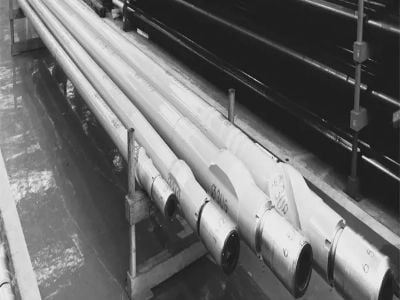
When drilling in hard rock formations, understanding mud motor torque requirements becomes critical. Mud motors are essential components in downhole drilling, where they convert hydraulic energy from the drilling fluid into mechanical energy to turn the drill bit. For purchasing managers and engineers, grasping the specific torque requirements is fundamental for selecting the right mud motor to ensure efficient drilling operations. This article will delve into the torque requirements, key specifications, cost factors, common issues, and installation tips for mud motors used in hard rock drilling environments
Key Specifications for Mud Motors in Hard Rock Drilling
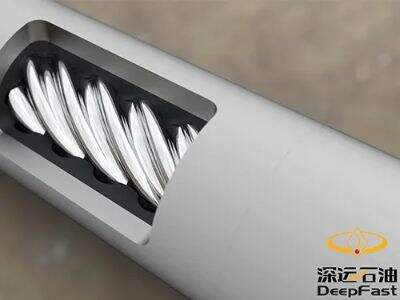
The key specifications for mud 73mm motors utilized in hard rock drilling include torque, flow rate, and pressure ratings. Torque is the rotational force required to turn the drill bit, and it directly impacts drilling efficiency and performance. For hard rock formations, where the resistance is significantly higher than in softer soils, mud motors must be capable of delivering higher torque values to maintain performance
Flow rate is another crucial specification, as it influences the motor's rotational speed and the cooling of the motor during operation. A higher flow rate typically results in greater power output, but it also requires careful consideration of the drilling fluid's viscosity and density. Additionally, pressure ratings must be assessed since hard rock drilling often involves high-pressure environments, and motors need to withstand these conditions without compromising structural integrity
It's essential to collaborate with manufacturers, like DeepFast Oil Drilling Tools, who utilize advanced technology and have experience in producing motors that meet the specific torque and flow requirements of hard rock formations. Understanding these specifications allows buyers to select motors that not only fit their operational needs but also enhance overall drilling efficiency
Cost Factors for Wholesale Mud Motors in Challenging Formations
When evaluating costs for wholesale mud biggest mud motors designed for hard rock drilling, several factors come into play. The primary cost components include material quality, manufacturing processes, and customization options. High-quality materials, such as alloy steels or advanced composites, may increase initial costs but are crucial for durability and performance in abrasive environments
Manufacturing capabilities also affect pricing. Motors manufactured using advanced technologies and strict quality control processes tend to have higher price tags but often result in better reliability and longer service life. Buyers should consider the trade-off between upfront investment and long-term operational costs, including maintenance and replacement
Customization can significantly influence costs as well. Buyers may require specific torque ratings, unique dimensions, or tailored components to suit their drilling operations. Understanding the implications of customization on cost is vital for buyers, as it can impact lead times and overall project budgets. Engaging with a trusted supplier can help clarify these factors and provide accurate cost estimations based on specific project requirements
Common Problems with Mud Motors in Hard Rock Drilling
Mud motors operating in hard rock conditions can encounter various problems that may affect performance and reliability. One common issue is excessive wear on motor components due to the abrasive nature of hard rock. This wear can lead to premature failure, which emphasizes the importance of selecting motors with high-quality materials and robust designs
Another prevalent problem is the potential for motor stalls, often caused by inadequate flow rates or improper torque settings. If the motor does not receive sufficient fluid flow, it can overheat, resulting in damage to internal components. Therefore, it is crucial to monitor flow rates and ensure they align with the motor's specifications
Buyers should also be aware of alignment issues during installation. Misalignment can cause uneven wear and lead to motor failure. Proper installation procedures and regular maintenance checks can mitigate these risks and ensure optimal performance. Engaging with knowledgeable suppliers who understand the challenges of hard rock drilling can provide valuable insights and solutions to these common problems
Effective Installation Tips for Mud Motors in Hard Rock Conditions
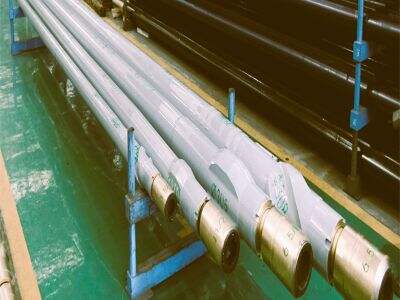
Proper installation of mud motors in hard rock drilling is critical for maximizing performance and minimizing potential issues. One key tip is to ensure that all connections, including the motor's power and fluid lines, are secure and leak-free. Any leaks can lead to pressure drops and reduce the motor's efficiency
Another important aspect is to verify that the completion motor is aligned correctly with the drill string. Misalignment can lead to excessive wear and potential failure, so using precise alignment tools during installation is essential. Additionally, it is advisable to conduct thorough pre-installation checks, including fluid viscosity and temperature, to ensure compatibility with the motor's operating requirements
Finally, adopting a proactive maintenance schedule post-installation can enhance the motor's longevity. Regular inspections for wear and tear, as well as replacing components as needed, can prevent more significant issues down the line. Keeping an open line of communication with suppliers, such as DeepFast Oil Drilling Tools, can provide ongoing support and insights into best practices for installation and maintenance in challenging hard rock environments
By understanding the torque requirements, specifications, cost factors, common issues, and installation tips related to mud motors in hard rock formations, B2B buyers can make informed decisions that enhance their drilling operations and reduce downtime
Table of Contents
- Understanding Mud Motor Torque Requirements in Hard Rock Formations
- Key Specifications for Mud Motors in Hard Rock Drilling
- Cost Factors for Wholesale Mud Motors in Challenging Formations
- Common Problems with Mud Motors in Hard Rock Drilling
- Effective Installation Tips for Mud Motors in Hard Rock Conditions

