




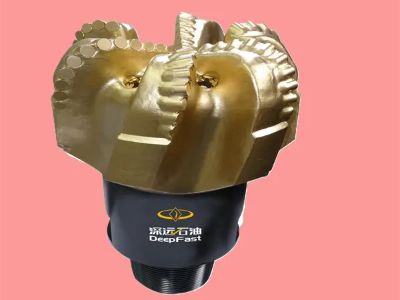
When it comes to oilfield drilling, the performance of Polycrystalline Diamond Compact (PDC) bits is crucial for efficiency and cost-effectiveness. Understanding what determines PDC bit performance in oilfield drilling is essential for purchasing managers, engineers, and other professionals in the field. This article will delve into the various factors that influence the performance of PDC bits, aiding you in making informed decisions when selecting the right tools for your drilling operations
What Factors Influence PDC Bit Performance in Oilfield Drilling
Several key factors impact the performance of PDC bits in the oilfield. These include
Bit Design: The geometry of the bit, including the shape and arrangement of the cutting elements, significantly affects its ability to penetrate rock formations. A well-designed bit can optimize cutting efficiency and reduce wear
Material Composition: PDC bits are made from a combination of synthetic diamonds and cemented tungsten carbide. The quality and ratio of these materials can influence the bit's hardness, toughness, and overall durability
Operating Conditions: Factors such as the type of rock being drilled, the weight on bit (WOB), and the rotary speed can all affect performance. For instance, drilling through harder formations may require a bit with a more robust design to avoid premature wear
Cooling and Lubrication: Effective cooling and lubrication during combined drilling can enhance the lifespan of the bit. Insufficient cooling can lead to overheating, causing the diamonds to lose their cutting ability
Manufacturing Quality: The precision of the manufacturing process plays a role in the bit's performance. High-quality control measures ensure that each bit meets industry standards, reducing the likelihood of defects
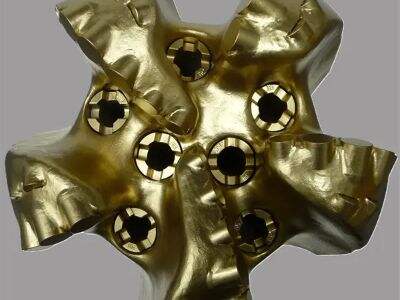
How to Choose the Right PDC Bit for Your Drilling Needs
Selecting the appropriate PDC bit involves careful consideration of several factors
Formation Type: Different rock formations require different bit designs. For softer formations, a bit with a lower density of cutting elements may be sufficient, while harder formations may necessitate a denser arrangement
Bit Size and Configuration: Determine the diameter and configuration that best suits your drilling requirements. The configuration should match the drilling equipment and the specific application
Performance Specifications: Look for bits that meet your operational parameters, including WOB and rotational speeds. Specifying these requirements can help manufacturers provide customized solutions
Customization: Discuss customization options with your supplier. A manufacturer like DeepFast Oil Drilling Tools offers tailored solutions that can enhance performance based on your unique drilling conditions
Manufacturer Reputation: Choose a manufacturer with a solid reputation in the industry. Look for certifications such as API and ISO, which indicate adherence to quality standards
Performance Metrics for Effective Decisions
To evaluate the performance of PDC bits effectively, consider the following metrics
Rate of Penetration (ROP): This measures how quickly the bit can drill through rock. A higher ROP indicates better performance but must be balanced against bit wear
Bit Wear and Life: Monitor the wear patterns on the bit to assess its longevity. A good quality bit will maintain its cutting ability throughout its life cycle
Cost per Foot: Calculate the total cost of drilling divided by the footage drilled to determine the cost-effectiveness of the bit. This metric helps in comparing different bits and their performance
Sample Performance Testing: Conduct field tests with sample bits to evaluate their performance under actual directional drilling conditions, ensuring they meet your operational needs
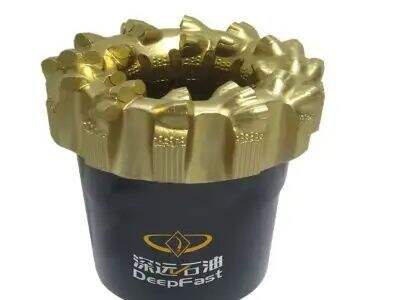
Cost Considerations for Purchasing PDC Bits in Bulk
When considering bulk purchases of PDC bits, several cost factors come into play
Unit Price vs. Total Cost: While a lower unit price may seem attractive, consider the total cost, including shipping, potential downtime, and replacement costs due to wear
Minimum Order Quantity (MOQ): Check the supplier’s MOQ as this can affect your purchasing strategy. Ordering in bulk may provide significant savings if you have a consistent demand
Volume Discounts: Many manufacturers offer discounts for large orders. Engaging with suppliers like DeepFast can lead to reduced pricing based on order size
Shipping and Handling Costs: Factor in the costs associated with transporting the bits to your location. Efficient logistics can minimize overall expenses
Warranty and Support: Assess the warranty offered on the bits. A comprehensive warranty can provide peace of mind, indicating the manufacturer's confidence in their product
Common Problems Encountered with PDC Bits and Their Solutions
Even the best PDC bits can encounter issues during operation. Here are some common problems and their solutions
Excessive Wear: If bits wear out prematurely, it may be due to inappropriate operating conditions. Re-evaluate the weight on bit and rotational speed to optimize performance
Biting Issues: If the bit fails to bite into the rock effectively, consider changing to a bit with a different design or configuration better suited for the formation type
Bit Damage: Damage can occur from hard rock formations or unexpected debris. Regular inspections and maintenance can help identify potential issues before they escalate
Cooling Failures: Inadequate cooling can lead to overheating and reduced performance. Ensure proper cooling systems are in place and regularly maintained during drilling operations
Field Testing: Implement a testing phase for new bits in the field to identify potential issues before full-scale deployment. This allows for adjustments to be made proactively
Understanding these factors and considerations is essential for making informed decisions regarding PDC bits in oilfield diamond core drilling. By leveraging the insights provided , you can ensure that your drilling operations are efficient, cost-effective, and aligned with your production goals

