




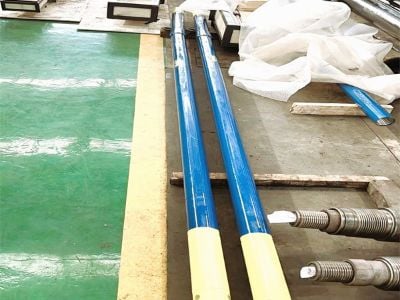
Understanding why rotor and stator matching matters in downhole motors is crucial for professionals in the oil and gas industry. Proper matching ensures efficient operation, optimal performance, and longevity of drilling tools. Buyers, including purchasing managers and engineers, often face challenges in selecting the right components that align with their specific drilling needs. This article will delve into the key specifications, common problems, sourcing options, installation guidance, and applications of optimized rotor and stator combinations, equipping you with the knowledge necessary to make informed purchasing decisions
Key Specifications for Rotor and Stator in Downhole Motors
When evaluating rotor and stator specifications, several critical factors come into play. The rotor's dimensions, including length, diameter, and weight, must align closely with the stator to ensure optimal performance. Variations in these dimensions can lead to inefficiencies, such as increased wear and tear, overheating, and reduced torque output
Material selection is another vital consideration. Rotors are typically made from high-strength alloys capable of withstanding the harsh conditions found in downhole environments, such as high temperatures and corrosive fluids. On the other hand, stators may require materials that provide excellent insulation and durability. API and ISO certifications ensure that these components meet industry standards for safety and reliability
Additionally, the matching tolerance between the rotor and stator should not exceed specified limits. A tight tolerance ensures that the rotor operates smoothly within the stator, minimizing vibrations and enhancing overall efficiency. Buyers should confirm these specifications with their suppliers to avoid operational issues that could arise from poor matching
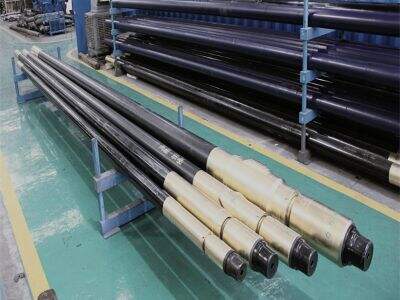
Common Problems in Rotor and Stator Matching Solutions
One of the most common challenges in rotor and stator matching is misalignment, which can occur due to manufacturing discrepancies or installation errors. Misalignment leads to increased friction and heat generation, ultimately resulting in premature failure of both components. To mitigate this risk, manufacturers should maintain rigorous quality control processes during production and conduct thorough inspections before delivery
Another issue is material incompatibility. If the rotor and stator materials are not compatible with the drilling environment, it can lead to corrosion or thermal degradation. Buyers should ensure that both components are designed for the specific fluids and temperatures they will encounter during drilling operations
Lastly, inadequate lubrication can exacerbate wear between the rotor and stator. Proper lubrication practices should be established, and buyers must verify that their operational procedures include routine checks and maintenance to sustain optimal performance
Where to Source Reliable Rotor and Stator Suppliers
Finding reliable suppliers for rotor and stator components is essential for ensuring high-quality Downhole Motor Above Rss performance. Start by evaluating manufacturers with established credentials and industry experience, such as those certified by API and ISO. Such certifications are indicators of a supplier's commitment to quality and adherence to industry standards
Networking within industry associations or attending trade shows can also provide valuable recommendations for reputable suppliers. Engaging with peers in the oil and gas sector can lead to insights about suppliers' reliability based on their experiences
Before finalizing a supplier, buyers should request product samples and technical specifications. This allows for an evaluation of whether the rotor and stator meet the exact requirements for their drilling applications. Additionally, assessing a supplier's customization capabilities can also be beneficial. If your application requires specific dimensions or materials, ensure that the supplier can accommodate these needs
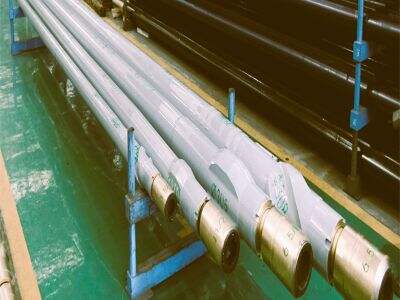
Installation Guidance for Rotor and Stator in Downhole Motors
Proper installation of rotor and stator components is critical for achieving optimal performance in downhole motors. First, ensure that the installation area is clean and free of debris, which can interfere with the alignment of the components. Any dirt or contaminants can lead to early wear or operational failures
When installing the rotor and stator, follow the manufacturer's guidelines precisely to maintain alignment and tolerances. Any deviation from these specifications can result in inefficiencies and increased wear. Utilizing alignment tools can help ensure that the rotor is positioned correctly within the stator
After installation, it is advisable to conduct a trial run to monitor the operation of the motor. Pay close attention to any unusual vibrations or noises, as these can indicate problems in alignment or component compatibility. Regular maintenance checks should also be scheduled to assess the condition of both the rotor and stator to ensure continued operational efficiency
Applications of Optimized Rotor and Stator in Oil Drilling
Optimized rotor and stator combinations are essential for various applications in oil drilling. In high-pressure environments, such as deepwater drilling or high-temperature formations, the efficiency of 244mm Downhole Motors directly impacts overall drilling performance. An optimized rotor and stator setup can enhance torque delivery and reduce energy consumption, leading to significant cost savings in drilling operations
These components also play a vital role in directional drilling, where precise control is necessary to reach targeted reservoirs. A well-matched rotor and stator can provide the torque and speed required for effective maneuvering, improving the accuracy of the drilling process
Beyond the technical aspects, the reliability of rotor and stator combinations can influence operational uptime. When these components are designed and matched correctly, they contribute to fewer breakdowns and maintenance issues, thereby enhancing overall productivity in oil drilling projects. Buyers should consider these applications when evaluating rotor and stator options, ensuring they select solutions tailored to their specific operational needs

