




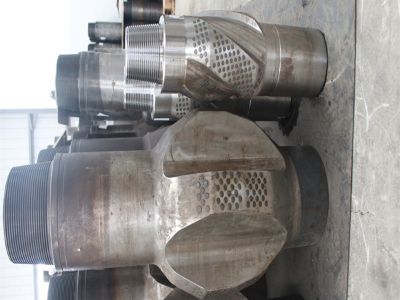
The rotor is a critical component in a downhole motor power section, playing a vital role in the efficiency and effectiveness of drilling operations in the oil and gas industry. Understanding the function and selection of rotors can address key concerns for buyers, such as compatibility, performance, and material suitability. This article will guide purchasing managers, engineers, and product managers through essential considerations related to the role of the rotor in High Performance Downhole Motor, ensuring informed decision-making for optimal drilling solutions.
How to Choose the Right Rotor for Your Downhole Applications?
Selecting the appropriate rotor for downhole applications begins with understanding the specific requirements of the drilling operation. Key factors to consider include the application type, expected load conditions, and the motor's operational environment. For instance, the rotor's design must align with the required torque and flow rates to ensure efficient drilling performance.
Buyers should also evaluate rotor dimensions to ensure compatibility with the downhole motor assembly. This includes checking the Rotary Downhole Motor length and diameter, which affect the motor's overall effectiveness and performance. Additionally, customization may be necessary to meet unique project specifications, which can be discussed during the quotation process with the manufacturer.
Lastly, consider the operational conditions, such as temperature and pressure ranges, as these will directly influence rotor material selection. A rotor designed for high-temperature environments, for example, will employ materials that resist thermal degradation, ensuring durability and performance longevity.
Comparing Rotor Types for Enhanced Downhole Motor Performance
Downhole motors utilize various rotor types, each offering distinct advantages depending on the drilling application. The two primary types are positive displacement rotors and helical rotors. Positive displacement rotors are designed to generate high torque at lower flow rates, making them ideal for applications requiring significant force to penetrate hard formations. These downhole motor typically feature a robust design that accommodates higher pressures, enhancing reliability during challenging drilling conditions.
Conversely, helical rotors are optimized for higher flow rates and lower torque applications, making them suitable for softer formations or when rapid drilling speeds are essential. Their design allows for smoother operation and reduced wear on both the rotor and stator.
When comparing rotor types, consider factors such as efficiency, wear resistance, and compatibility with the downhole motor's stator. Each type may also vary in cost, so it is essential to assess the total cost of ownership, including maintenance and operational expenses, when determining the best fit for your application.
Where to Source High-Quality Rotors for Downhole Motors?
Sourcing high-quality rotors for downhole motors requires careful evaluation of potential suppliers. Look for manufacturers with a proven track record in the oil and gas industry, as well as appropriate certifications such as API and ISO. These certifications indicate adherence to industry standards for quality and reliability.
DeepFast Oil Drilling Tools, for instance, leverages advanced Japanese and German equipment in its manufacturing processes, ensuring precision and consistency in rotor production. When evaluating suppliers, inquire about their quality control processes, production capabilities, and customization options. This information is crucial for assessing whether they can meet specific project requirements.
Additionally, consider suppliers' experience in exporting to various markets, as this may reflect their ability to handle logistics and deliver products on time. A supplier's responsiveness during the quotation process can also be a useful indicator of their commitment to customer service.
Installation Guidelines for Downhole Motor Rotors
Proper installation of downhole motor rotors is essential to ensure optimal performance and longevity. Begin by thoroughly inspecting the rotor and stator for any signs of damage or irregularities before installation. Any visible defects should be addressed to prevent operational issues during drilling.
When installing the rotor, follow the manufacturer's guidelines regarding torque specifications and alignment. Misalignment can lead to premature wear or failure, impacting drilling efficiency. It is also advisable to use appropriate lubricants as recommended by the manufacturer to reduce friction during operation.
After installation, conducting a performance test under controlled conditions can help confirm that the rotor operates as intended. This phase is crucial for identifying any potential issues early on, allowing for adjustments before full-scale drilling operations commence.
Evaluating Rotor Material Advantages in Downhole Drilling
The material selection for rotors in downhole motors significantly affects performance and durability. Common materials include high-strength steel, composite materials, and specialized alloys designed to withstand harsh downhole conditions. Each material offers unique benefits tailored to specific applications.
High-strength steel is often favored for its robustness and fatigue resistance, making it suitable for high-torque applications. However, it may be susceptible to corrosion, which can be mitigated through surface treatments or coatings.
Composite materials, on the other hand, can provide excellent corrosion resistance and reduced weight, enhancing overall drilling efficiency. However, their suitability must be assessed based on the specific drilling environment, as not all composites can withstand extreme pressures or temperatures.
Specialized alloys are engineered to combine the best properties of metals and composites, offering tailored solutions for diverse drilling scenarios. When evaluating materials, buyers should confirm that the selected rotor material aligns with the operational conditions, ensuring optimal performance and minimizing failure risks.
In summary, understanding the role of the rotor in a downhole motor power section is vital for making informed purchasing decisions. By considering application requirements, rotor types, sourcing strategies, installation guidelines, and material advantages, buyers can optimize their drilling operations for efficiency and reliability.

