




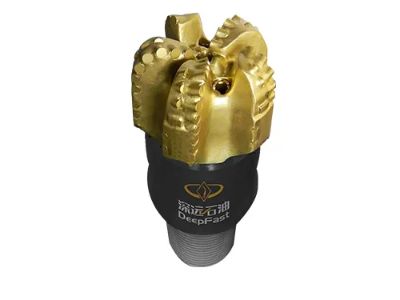
Understanding PDC bit cutter layout is crucial for optimizing drilling applications, particularly in the oil and gas industry. The layout affects not only the efficiency of the drilling process but also the overall costs associated with it. For B2B buyers, including purchasing managers and engineers, knowing how to evaluate these layouts can lead to better decision-making and improved operational outcomes. This article will delve into the importance of PDC bit cutter layout, key specifications to consider, and practical insights for installation and performance optimization.
How PDC Bit Cutter Layout Affects Drilling Efficiency and Costs?
PDC (Polycrystalline Diamond Compact) bits are essential tools in modern drilling, and their cutter layout significantly impacts drilling efficiency and costs. A well-designed cutter layout can enhance penetration rates, reduce wear, and improve the bit's life cycle. Poorly designed layouts can lead to increased torque and drag, resulting in higher operational costs and downtime. For instance, the spacing and arrangement of the cutters directly influence the bit's ability to effectively engage the rock. Proper cutter placement minimizes the risk of bit balling and allows for more consistent 12 1/4 PDC bit parameters. Buyers should consider how the specific layout aligns with their drilling objectives, as this can lead to substantial cost savings over the life of the tool.
Key Specifications to Evaluate in PDC Bit Cutter Layout Design
When assessing a PDC bit's cutter layout, several key specifications warrant careful consideration:
Cutter Size and Shape: The dimensions and geometry of the cutters determine their effectiveness in penetrating various rock formations. Larger cutters can enhance drilling speed in softer formations but may not perform well in harder materials.
Cutter Density: This refers to the number of cutters per unit area on the bit. A higher density can improve cutting efficiency but may also lead to increased wear if not matched to the formation type.
Cutter Orientation: The angle and alignment of the cutters affect the bit's interaction with the rock. Optimizing cutter orientation can enhance the drilling trajectory and reduce vibration.
Material Composition: The choice of materials, especially in the diamond layer, influences durability and performance. Buyers should inquire about the specific materials used and their suitability for the intended application.
Understanding these specifications allows buyers to tailor their choices based on the drilling conditions they expect to face, ensuring compatibility and optimal performance.
Layout Considerations
Several layout considerations should be taken into account when selecting a PDC bit:
Rock Type and Formation: Different geological formations require different cutter layouts for optimal performance. Buyers should provide information about the expected rock types to the manufacturer to facilitate customized solutions.
Drilling Parameters: Factors such as weight on bit (WOB), rotary speed, and fluid type can influence cutter performance. Buyers should evaluate how the proposed cutter layout will perform under their specific drilling conditions.
Bit Stability and Vibration Control: A well-designed cutter layout contributes to bit stability, which minimizes vibration and enhances drilling precision. Buyers should inquire about the manufacturer's experience in managing these factors.
By addressing these considerations, buyers can ensure that the chosen PDC bit cutter layout aligns with their operational needs and improves overall drilling performance.
What Buyers Need to Know?
When evaluating PDC bits and their cutter layouts, buyers should keep the following points in mind:
Customization Options: Many manufacturers, including DeepFast, offer customization capabilities. Buyers should communicate their specific requirements regarding cutter layout, size, and material to ensure the best fit for their application.
Quality Assurance: Verify that the manufacturer adheres to relevant quality standards, such as API and ISO certifications. This ensures that the product meets industry benchmarks for performance and reliability.
Sample Approval: Prior to mass production, requesting a sample of the PDC bit can be beneficial. This allows buyers to assess the cutter layout, materials, and overall design before committing to a larger order.
Lead Times and Minimum Order Quantities: Buyers should clarify lead times and minimum order quantities (MOQ) to plan their projects effectively. Understanding these factors can prevent delays and ensure timely delivery of 16mmPDC cutter tools.
By addressing these essential aspects, buyers can make informed decisions that align with their operational goals.
Installation Guidance for Optimal PDC Bit Cutter Layout Performance
For PDC bits to perform optimally, proper installation is crucial. Here are some guidelines to ensure effective cutter layout performance:
Pre-Installation Checks: Before installation, verify that the bit matches the specifications required for the drilling environment. This includes confirming dimensions, cutter layout, and material integrity.
Correct Assembly: Follow the manufacturer's guidelines for assembling the bit onto the drilling assembly. Improper assembly can lead to misalignment, which affects drilling efficiency and can cause premature wear.
Monitoring During Drilling: Once installed, monitor the drilling parameters closely, including WOB and rotary speed. Adjustments may be necessary based on real-time performance to optimize cutter engagement and minimize wear.
Post-Operation Inspection: After use, inspect the bit for wear patterns and cutter performance. This information can inform future purchases and adjustments to cutter layout design, enhancing performance in subsequent drilling operations.
By adhering to these installation practices, buyers can maximize the performance and lifespan of their PDC bits, contributing to safer and more efficient drilling operations. Understanding why PDC bit cutter layout matters in 215.9mm PDC bit applications is essential for making informed purchasing decisions. By considering the factors outlined, B2B buyers can effectively evaluate their options and ensure they select the best tools for their specific needs.

