




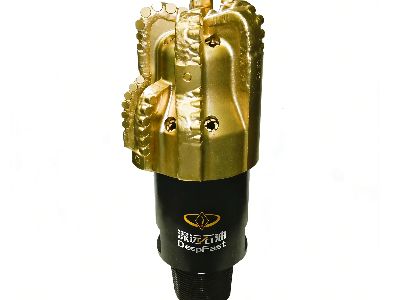
Understanding how PDC bit design responds to changing formation conditions is crucial for B2B buyers in the oil and gas industry. With the varying geological formations encountered during drilling, the adaptability of Polycrystalline Diamond Compact (PDC) bits can significantly influence drilling efficiency, cost, and safety. This article will explore how PDC bit design adapts to these diverse conditions, key specifications that impact performance, factors for effective operation, the importance of reliable suppliers and material advantages that enhance durability.
How PDC Bit Design Adapts to Varied Formation Conditions?
PDC bits are engineered to provide superior performance in a range of geological formations, from soft sedimentary layers to hard rock. The design of these bits incorporates features such as varying blade geometries, diamond placements, and bit profiles that can be tailored to specific formation types. For instance, in softer formations, a bit with a higher exposure of diamonds is beneficial, as it maximizes cutting efficiency while minimizing wear. Conversely, in harder formations, a more robust design with fewer, strategically placed diamonds can provide better durability and penetration rates. The adaptability of PDC bits is also enhanced by incorporating 5 blades PDC bit designs that optimize cooling and debris removal. This is particularly important when drilling through formations that produce varying amounts of cuttings and require effective removal to prevent bit balling or jamming. Buyers should consider operational conditions, including weight on bit (WOB) and rotational speed, when selecting a PDC bit to ensure it matches the formation characteristics.
Key Specifications for PDC Bits in Challenging Environments
When evaluating PDC bits for challenging drilling environments, several key specifications must be considered:
Diameter and Length: The size of the bit directly impacts the hole's diameter and overall drilling efficiency. Buyers should ensure the bit size matches the borehole requirements and the equipment being used.
Blade Count and Configuration: The number and arrangement of blades affect the bit's cutting structure. More blades can increase cutting efficiency, while fewer blades can improve durability in harder formations.
Diamond Quality: The type of diamonds used (natural vs. synthetic) and their placement influences the bit's longevity and cutting performance. Higher-quality diamonds typically enhance durability but may increase costs.
Gauge Design: A proper gauge design prevents excessive wear and helps maintain hole stability, particularly in soft formations where wall collapse is a concern.
Understanding these specifications allows buyers to select the right 6 blades PDC bit bit for their specific drilling conditions, ensuring optimal performance and cost-effectiveness.
Factors for Effective Performance
Achieving effective performance with PDC bits involves several critical factors:
Formation Awareness: Before selecting a PDC bit, it’s essential for buyers to analyze the geological formations they will encounter. Knowledge of formation hardness, abrasiveness, and stability can guide bit selection.
Operational Parameters: Factors such as weight on bit (WOB), rotary speed, and fluid circulation must be optimized based on the PDC bit and formation type. Incorrect settings can lead to premature wear or bit failure.
Maintenance and Inspection: Regular inspections of the 7 blades PDC bit bits during and after drilling operations can identify wear patterns and potential issues. This proactive approach can help extend the lifespan of the bits and minimize downtime.
Customization: Many manufacturers, like DeepFast Oil Drilling Tools offer customization options based on specific customer requirements. This can include modifications to bit design or material selection to suit unique formations or operational goals.
By paying close attention to these factors, buyers can ensure their PDC bits perform effectively across various drilling environments.
Reliable Suppliers for PDC Bits and Tools
Selecting a reliable supplier for PDC bits is essential for ensuring the quality and performance of drilling operations. Buyers should look for suppliers with the following characteristics:
Certifications: Suppliers that hold certifications such as API and ISO demonstrate their commitment to quality and industry standards. This is crucial for ensuring that the bits meet necessary safety and reliability benchmarks.
Experience and Expertise: Suppliers with extensive experience in manufacturing PDC bits can provide valuable insights and recommendations based on industry trends and customer feedback. Their expertise can guide buyers in making informed decisions.
Customization Capabilities: Reliable suppliers should be able to offer customization options to tailor products to specific drilling environments. This flexibility is vital for adapting to varied geological conditions.
Technical Support: Suppliers that provide robust technical support can assist in troubleshooting and optimizing drilling performance. This can include providing data on bit performance and suggesting adjustments based on actual drilling conditions.
Choosing a reputable supplier ensures access to high-quality products and support throughout the drilling process.
Evaluating Material Advantages in PDC Bit Design and Durability
The materials used in PDC bit design significantly affect their durability and performance. Key considerations include:
Diamond Composition: The quality and type of diamonds used in the bit directly influence its cutting ability and durability. Synthetic diamonds, for instance, often provide superior hardness and consistency compared to natural diamonds.
Matrix Material: The matrix that binds the diamonds affects the bit's overall strength and wear resistance. A well-designed matrix can enhance the bit's performance in specific formations, providing better life expectancy.
Coatings and Treatments: Surface treatments can improve wear resistance and reduce friction, enhancing the bit's performance in challenging conditions. Buyers should inquire about available coatings to maximize operational efficiency.
Thermal Stability: The ability of the materials to withstand high temperatures without degrading is essential for maintaining bit integrity during prolonged drilling operations. Buyers should ensure that the selected bit can handle the thermal conditions expected in their drilling environment.
By evaluating these material factors, buyers can better understand how PDC bit design impacts durability and performance ensuring they make informed purchasing decisions that align with their operational needs.

