




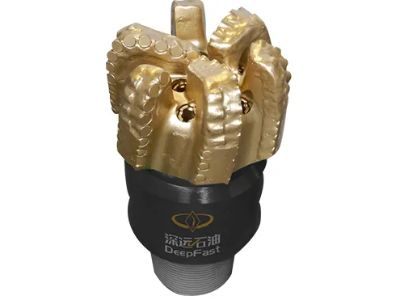
PDC bits, or polycrystalline diamond compact bits, are engineered tools used in high-torque downhole motors for drilling applications in the oil and gas industry. Understanding PDC bit design for high-torque downhole motors is critical for purchasing managers and engineers looking to ensure optimal performance, efficiency, and cost-effectiveness in their drilling operations. This article will provide insights into the specific design features, specifications, and considerations that buyers must evaluate when selecting PDC bits tailored to high-torque applications.
Understanding PDC Bit Design for High-Torque Downhole Motors
PDC bits are characterized by their unique composition of synthetic diamond crystals bonded to a tungsten carbide substrate. This design allows for superior hardness and wear resistance, crucial for high-torque downhole motors operating under extreme conditions. The design of a PDC bit directly influences its cutting efficiency, durability, and the overall cost of drilling operations. In high-torque applications, specific design features become paramount. The shape and arrangement of the PDC cutters, often referred to as the cutter layout, impact how the bit interacts with the formation. For example, an optimal cutter geometry can improve hole cleaning and reduce torque spikes, which are critical for maintaining the integrity of the drilling assembly. Additionally, the bit’s body design must accommodate high rotational speeds while ensuring stability to prevent premature wear or failure. When evaluating PDC bits for high-torque downhole directional drilling motor, buyers should consider factors such as the rock formation being drilled, the torque rating of the motor, and the overall drilling strategy. These elements will help determine the most suitable PDC bit design, ensuring efficient and safe drilling operations.
How to Choose the Right PDC Bit for Your Downhole Motor Needs?
Selecting the appropriate PDC bit for your high-torque downhole motor requires a comprehensive understanding of both your drilling environment and the specific capabilities of the bit. First, assess the geological formations you anticipate encountering. For hard rock formations, a bit with a higher density of PDC cutters may be necessary to maintain cutting efficiency and minimize wear. Next, consider the torque specifications of your downhole motor. High-torque motors require bits designed to withstand greater forces without compromising performance. Look for bits with reinforced body structures and optimized cutter placements to handle the increased stress during operation. Customization is also an important factor. Many manufacturers, including DeepFast Oil Drilling Tools, offer tailored solutions based on specific drilling conditions. Providing detailed information about the expected formation, drilling depths, and any unique operational challenges can help manufacturers recommend the most effective PDC bit design for your needs.
Key Specifications of High-Torque PDC Bits for Efficient Drilling
When evaluating PDC bits for high-torque applications, numerous specifications warrant attention:
Cutter Size and Density: The size and density of the PDC cutters influence the bit's cutting efficiency and its ability to withstand wear. A higher density of cutters can enhance performance in hard formations.
Bit Diameter: The diameter of the bit must match the specifications of the downhole directional drilling mud motor and the borehole design. Common sizes range from 3 inches to over 12 inches, depending on the application.
Body Material: The body material should provide a balance between strength and weight. Using high-quality tungsten carbide can improve durability in high-torque scenarios.
Thermal Stability: PDC bits must withstand high temperatures generated during drilling. Selecting bits with enhanced thermal stability can reduce the risk of cutter failure.
Nozzle Configuration: The design of the bit's nozzles affects fluid dynamics and hole cleaning. Proper nozzle placement ensures efficient removal of cuttings, promoting better drilling performance.
By understanding these specifications, buyers can make informed decisions that enhance drilling effectiveness and longevity of the tools.
Quality Factors for Bulk Orders
When placing bulk orders for PDC bits, quality assurance becomes critical. Ensuring that each bit meets the specified standards is essential for maintaining consistent drilling performance. Buyers should establish a clear quality control process that includes:
Certification Verification: Confirm that the manufacturer’s products are certified by relevant industry standards, such as API and ISO certifications. This ensures adherence to quality and safety protocols.
Sample Approval: Before mass production, request samples of the PDC bits to evaluate their performance under simulated drilling conditions. This testing can reveal any potential issues with cutter placement, thermal stability, or material integrity.
Batch Inspection: Implement regular inspections of production batches to monitor consistency in quality. This includes checking the dimensions, material properties, and overall finish of each bit.
Supplier Evaluation: Assess the manufacturer's capabilities and past performance. A supplier with a proven track record of quality and reliability is invaluable for ensuring that bulk orders meet your drilling needs consistently.
By prioritizing these quality factors, buyers can mitigate risks associated with bulk orders and ensure the reliability of their drilling operations.
Common Problems with PDC Bits and Effective Solutions
Despite their advanced design, PDC bits can encounter several issues during operation. Understanding these common problems and their solutions can save time and costs:
Cutter Wear and Chipping: Excessive wear or chipping of the PDC cutters can occur due to improper bit selection or inadequate cooling. To address this, ensure that the bit is suited for the specific rock formation and that mud properties are optimized for cooling.
Bit Balling: This occurs when cuttings accumulate on the bit, impacting drilling efficiency. To combat bit balling, consider using bits with enhanced cleaning features or modify the drilling fluid properties to improve hole cleaning.
Torsional Vibration: High-torque applications can lead to torsional vibrations, affecting bit performance. Using bits with designed features to dampen these vibrations can enhance stability and prolong bit life.
Bit Failure: Premature bit failure can result from exceeding torque limits or using inappropriate bit designs. Thoroughly assess drilling parameters and select bits designed to endure the specific operational stresses.
By proactively addressing these issues, buyers can enhance the performance and longevity of their PDC bits, leading to more efficient drilling operations.
In summary, selecting the right PDC bit design for high-torque downhole Downhole Motor Above Rss involves understanding the specific requirements of your drilling operation, assessing critical specifications, and prioritizing quality control in bulk orders. By following these guidelines, purchasing managers and engineers can make informed decisions that lead to successful drilling outcomes.

