




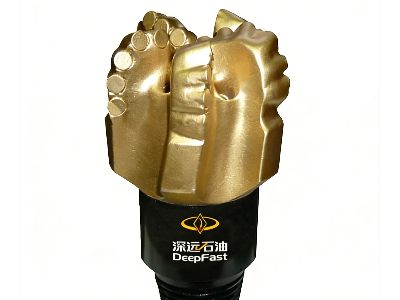
PDC bit nozzle configuration plays a crucial role in oilfield drilling, influencing the efficiency and effectiveness of the drilling process. As B2B buyers, especially purchasing managers and engineers, you may have specific concerns regarding the performance, installation, and common issues associated with PDC bits. This article will provide a comprehensive understanding of PDC bit specifications, installation guidelines, common problems, material advantages and application scenarios, assisting you in making informed decisions for your drilling operations.
Understanding PDC Bit Specifications for Effective Drill Planning
When evaluating PDC bits, understanding their specifications is paramount for effective drill planning. Key specifications include the bit diameter, number of blades, and nozzle configuration. The bit diameter affects the hole size and drilling speed, while the number of blades influences cutting efficiency and stability. The nozzle configuration is particularly critical; it dictates the flow of 110mm core drill fluid, cooling, and clearing cuttings from the bit face. For example, a typical PDC bit may have a diameter ranging from 6 inches to 26 inches, depending on the application. Buyers should assess the required hole size and formation type to select the right bit diameter. Additionally, the nozzle configuration can be customized based on the anticipated drilling conditions, such as formation hardness and fluid dynamics, ensuring optimal performance.
Installation Guidelines for PDC Bits to Ensure Safe Operations
Proper installation of PDC bits is essential to ensure safe and efficient operations. Before installation, it is crucial to inspect the drill string and ensure compatibility with the selected PDC bit. The bit should be securely attached to the drill string, with appropriate torque applied to prevent slippage during drilling. Furthermore, it is advisable to conduct a pre-installation inspection of the bit, checking for any visible damage or manufacturing defects. During installation, ensure that the bit is aligned correctly with the wellbore and that the 152mm core drill fluid system is operational to provide adequate cooling and lubrication. Misalignment or inadequate fluid flow can lead to premature wear or failure of the bit, resulting in costly downtime.
Common Problems with PDC Bit Nozzles and Practical Solutions
Despite their robust design, PDC bits can encounter common problems related to nozzle configuration. One frequent issue is clogging, which can impede fluid flow and reduce cooling efficiency. Clogging often occurs when cuttings accumulate in the nozzles due to improper hydraulic design or insufficient drilling fluid properties. To mitigate this, it is essential to select the nozzle configuration based on the formation and anticipated cuttings volume. For example, larger nozzles may be required in softer formations to facilitate the removal of larger cuttings. Additionally, regular monitoring of the drilling fluid properties, such as viscosity and density, can help maintain optimal flow and prevent nozzle clogging. Another common issue is uneven wear of the PDC bits, often caused by improper weight on bit (WOB) distribution. Ensuring uniform weight distribution during drilling can be addressed through meticulous drill string configuration and real-time monitoring of drilling parameters.
Comparing Material Advantages of PDC Bits for Diverse Drilling Needs
The material selection of PDC bits significantly influences their performance across various drilling applications. Most PDC bits are constructed using tungsten carbide and synthetic diamond composites, providing superior hardness and wear resistance. This combination allows for efficient drilling in hard rock formations, which can enhance overall productivity. When comparing materials, consider the specific drilling environment. For instance, a PDC bit designed for soft formations may utilize a different grade of carbide than one engineered for harder environments. Buyers should also evaluate factors such as thermal stability and resistance to chemical degradation, as these attributes can impact the bit's longevity and effectiveness. Additionally, customization options are available, allowing you to tailor the bit's material composition to suit specific 160mm core drill challenges. Discussing your operational requirements with the manufacturer can lead to the development of a bit that meets your precise needs, enhancing drilling performance and cost-effectiveness.
Application Scenarios for PDC Bit Nozzle Configurations in Oilfields
PDC bit nozzle configurations should be tailored to the specific application scenarios within oilfields. For example, in horizontal drilling applications, a staggered nozzle configuration may be beneficial, as it promotes better cooling and cuttings removal across the bit face. This configuration can enhance drilling rates and minimize the risk of bit balling. In contrast, for vertical wells, a uniform nozzle arrangement may suffice, focusing on maintaining consistent fluid circulation and pressure. The choice of nozzle size is also critical; larger nozzles may facilitate higher fluid flow rates, which can be advantageous in high-pressure environments. Moreover, consider the formation characteristics when selecting nozzle configurations. In softer formations, a higher number of smaller nozzles may improve cuttings evacuation, while in harder formations, fewer but larger nozzles might be more effective. Collaborating with technical experts can help you determine the most suitable configuration for your specific drilling conditions. By understanding the implications of PDC bit nozzle configurations, buyers can make informed decisions that align with their operational goals, ultimately leading to safer and more efficient drilling practices.
Table of Contents
- Understanding PDC Bit Specifications for Effective Drill Planning
- Installation Guidelines for PDC Bits to Ensure Safe Operations
- Common Problems with PDC Bit Nozzles and Practical Solutions
- Comparing Material Advantages of PDC Bits for Diverse Drilling Needs
- Application Scenarios for PDC Bit Nozzle Configurations in Oilfields

